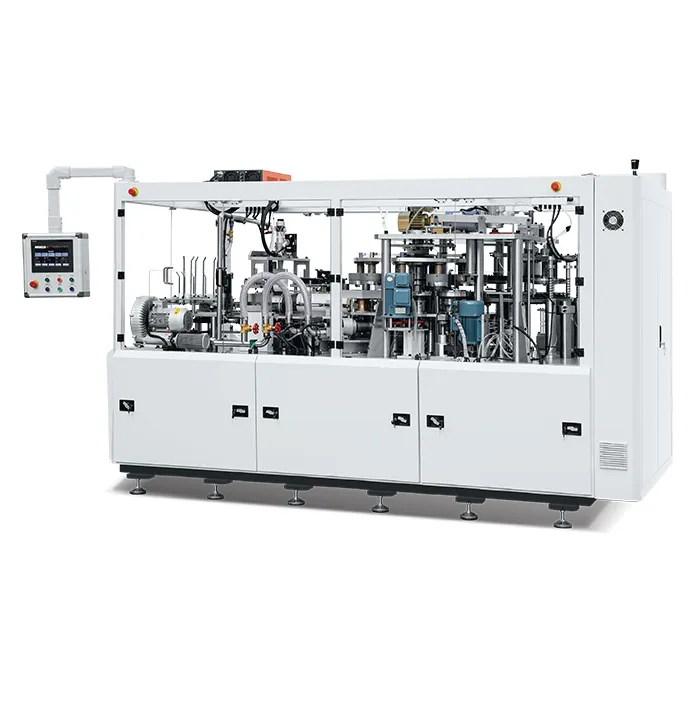
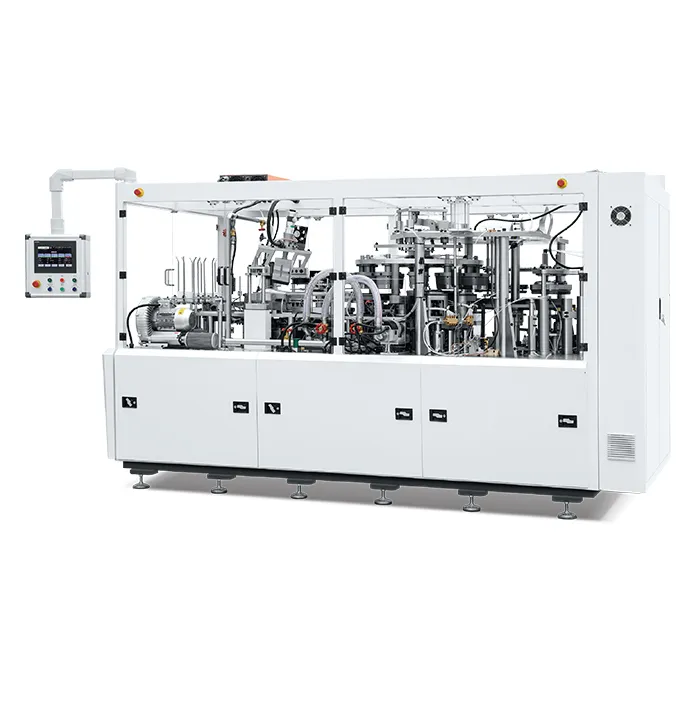
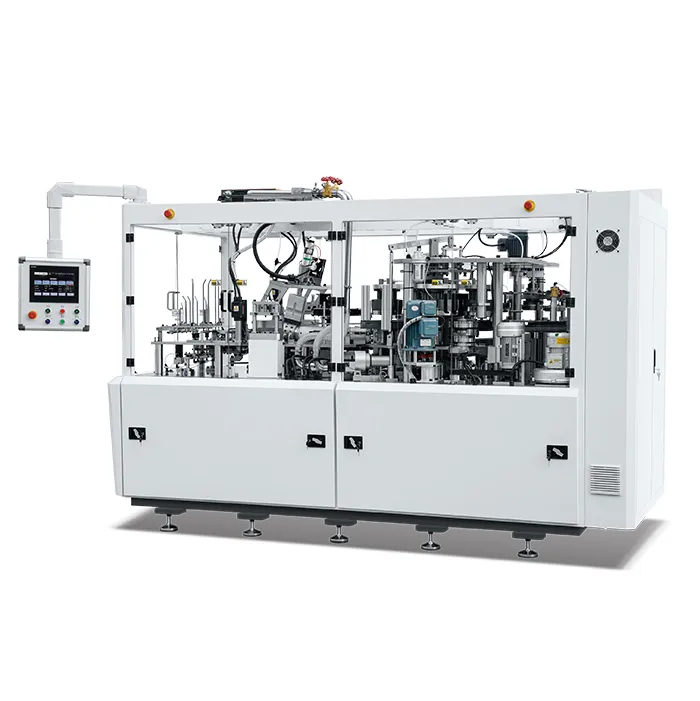
You’ve just landed a large order for disposable cups. Your current production line struggles to keep up – wrinkled sidewalls, inconsistent bottoms, and frequent jams. The pressure is real.
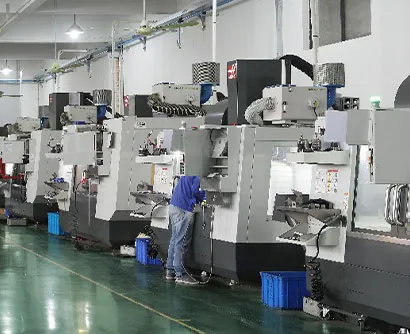
Selecting the right paper cup production equipment is more than comparing speeds on a datasheet. It directly impacts your material waste, labor cost, and ability to meet delivery deadlines. Whether you are upgrading from a semi‑automatic unit or setting up your first line, understanding seven critical features will save you months of trial and error.
Below, we walk through each feature based on real shop-floor feedback from cup manufacturers across Southeast Asia and the Middle East. Along the way, you will find practical checkpoints to evaluate any supplier. And if you want to see how these features come together in a modern system, you can explore reliable paper cup forming solutions designed for high-volume runs later.
Forming Precision – The Heart of Cup Quality
Even the fastest machine is useless if every tenth cup leaks. Forming precision starts with the mandrel and the die set. Look for:
-
Hardened steel tooling that maintains tolerance after millions of cycles.
-
Servo‑driven bottom knurling – ensures the cup bottom is sealed firmly without tearing the paper.
-
Auto‑alignment of sidewall and bottom – reduces “step” defects that cause leakage.
Ask the supplier for a 30‑minute test run using your own raw material. Watch the reject pile. A well‑engineered automatic paper cup machine should keep rejects below 1% after warm‑up.
Material Compatibility – Don’t Get Locked Into One Grade
Many buyers focus only on speed and forget that paper quality varies widely – from 170 gsm single PE to 350 gsm double PE with barrier coatings. Your equipment must handle:
-
Different paper weights without manual adjustment of every tension roller.
-
PE‑coated and PLA‑coated blanks.
-
Embossed or textured sidewall paper – common for premium hot cups.
A rigid machine that only works with top‑grade paper will force you to pay premium prices for every ton. Ideally, the machine’s unwinding stand and feeding system should have servo‑controlled tension and a quick‑release anilox roll to switch coating types. This flexibility alone can save 5,000–5,000–8,000 per year in material costs.
Automation Level – Where Labor Savings Really Happen
Fully automatic vs. semi‑automatic: the price difference is significant, but so is the long‑term return. Evaluate three automation sub‑systems:
| Sub-system |
Semi-auto |
Full-auto |
| Blank feeding |
Manual stack loading |
Auto magazine with non‑stop feeding |
| Cup stacking & counting |
Manual collection |
Rotary stacker + in‑line counter |
| Quality rejection |
Visual inspection |
Photoelectric or vision sensor |
If you run two shifts, a fully automatic paper cup forming line will pay back its extra cost within 8–12 months through labor reduction alone. However, make sure the control panel is user‑friendly – a poorly designed HMI can cause as many delays as a manual machine.
4. Energy Consumption & Maintenance Access
Energy costs are often overlooked until the first monthly bill arrives. A typical cup machine consumes 5–8 kW while running,g plus 2–3 kW for heating elements. Look for:
-
Servo-driven main shaft – reduces idle power by up to 40%.
-
Insulated heating zones keep the temperature stable without constant cycling.
-
Easy‑access panels for cleaning glue residue and paper dust. A machine that takes two hours to disassemble for daily cleaning will hurt your OEE.
Ask the manufacturer for a lubrication chart and a list of wear parts. If changing a heater band requires removing the entire forming tower, run away. Good designs allow tool‑free access to the most frequently replaced parts.
5. Safety & Structural Rigidity
High-speed reciprocating motions create vibrations. Over time, vibrations misalign the forming station and cause inconsistent cup heights. Check:
-
Machine frame – cast iron or heavy welded steel. Lighter frames save shipping costs but cost you in rejects.
-
Safety interlocks – all guards should have dual‑channel safety relays. This is non‑negotiable for operator protection.
-
Emergency stops – placed at both ends of the machine, plus a pull‑cord along the blank feeding area.
A robust structure also reduces noise levels – a sign of quality assembly. You should be able to hold a conversation next to the running machine without shouting.
6. Tool Changeover Time – Handling Small Batches Economically
The market is shifting toward smaller, customized cup orders. If your machine takes 4 hours to change from a 12 oz to a 16 oz cup size, you lose money on every short run. Modern designs achieve:
Ask the supplier for a video of a complete changeover. Anything under 30 minutes for a two‑person team is excellent. This feature alone can turn your line from a high‑volume-only asset into a flexible profit center.
7. After-Sales Support & Spare Parts Availability
Even the best machine will need adjustments. Before signing the purchase agreement, verify:
-
Local service network – does the supplier have a technician within 500 km of your factory?
-
Spare parts list with prices – many brands overcharge for wear parts like heater bands, knives, and belts. Get a binding quote for the top 20 consumables.
-
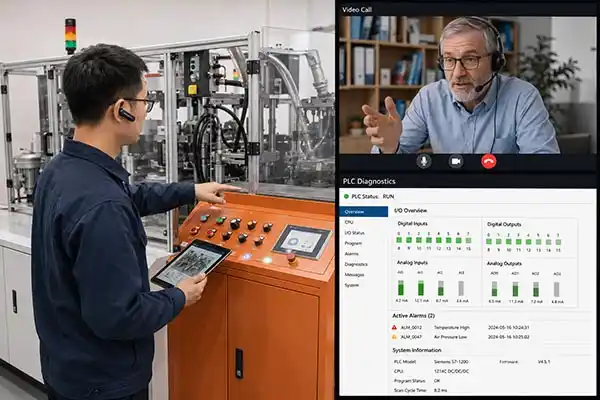
Remote diagnostic capability – a modem or camera that allows the supplier to see your machine’s real‑time PLC data. This can solve 70% of minor issues within an hour.
Also, check online forums and user groups. Real operators often share which brands deliver parts in under 7 days and which take 6 weeks. A machine with poor support becomes a very expensive paperweight.
Making Your Final Decision
Now you have a checklist of seven features that directly affect your production cost, cup quality, and uptime. No machine is perfect, but you should prioritize what matters most for your specific order mix: high flexibility if you run many cup sizes, or raw speed if you produce millions of the same size every month.
If you prefer to work with a supplier that builds all these features into their standard offering – from servo‑driven precision to tool‑free cleaning access – take a closer look at what DISCOVER has engineered for the mid‑tier market. Their team provides a detailed ROI calculator and a 3‑day on‑site training package with every machine.
Click here to view DISCOVER’s paper cup machine specifications and request a live demo – including a remote video tour of the assembly floor.
*Note:
- All performance data mentioned above is based on independent testing reports and aggregated feedback from 40+ cup manufacturers. Machine specifications vary; always request a factory acceptance test with your own materials.
- The images in this article are for reference only.*

 English
 Pусский
 عربي
عربي