Make or finish the component
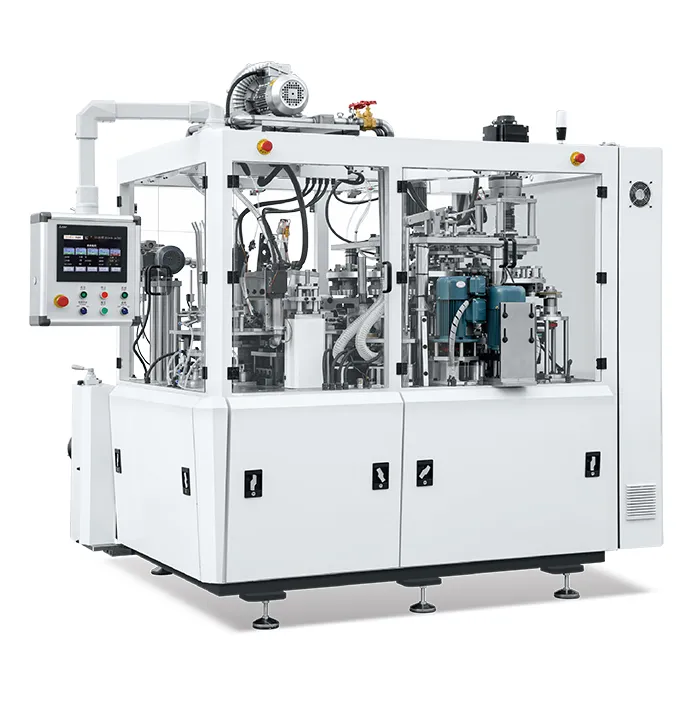
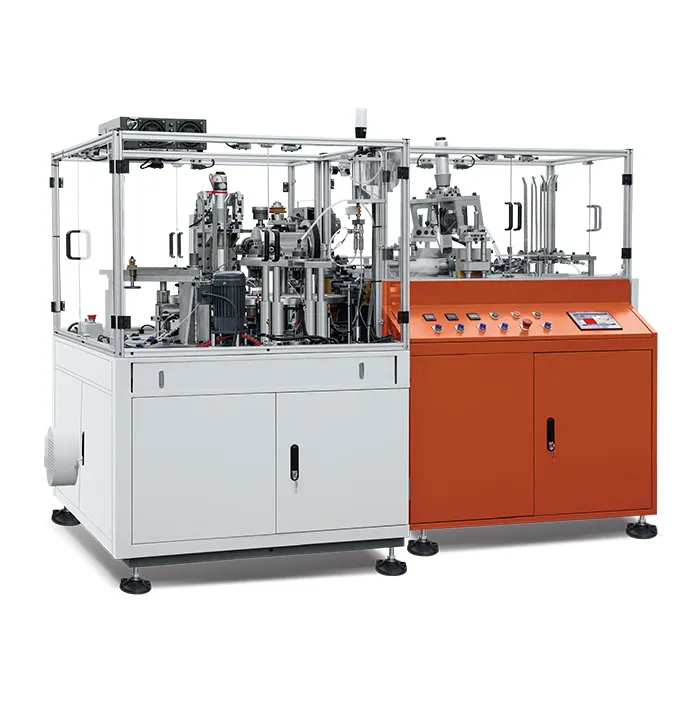
Use paper lid machines for lid production, or rim flattening equipment when a formed cup requires a square or flattened finished shape. Confirm diameter, height, hole design and material first.
Review lid equipment →Ancillary equipment for paper container lines
Connect forming, inspection, conveying, coding, packing and lid production equipment around the paper container you need to ship. Start with the operation to add, then confirm product geometry, line speed, utilities, interfaces and acceptance scope.
Category definition
The right combination depends on container geometry, main-machine output, quality checks and the agreed line boundary.
Ancillary equipment adds a specific operation around a paper cup, bowl, bucket or lid forming machine. It can prepare material, make a lid, flatten a rim, inspect defects, mark production information, move blanks or pack finished stacks.
These machines are selected as part of a line rather than as isolated products. Their speed, interface, product handling and utilities must match the forming machine and the required net output after inspection, rejection, changeover and packing.
Use the published values for initial routing. Confirm the product drawing, material, electrical data, air conditions, layout and acceptance method before ordering a complete line.
Choose by production role
Identify the operation that limits your line, then match the equipment to the finished container, upstream supply and downstream handling requirements.

Use paper lid machines for lid production, or rim flattening equipment when a formed cup requires a square or flattened finished shape. Confirm diameter, height, hole design and material first.
Review lid equipment →
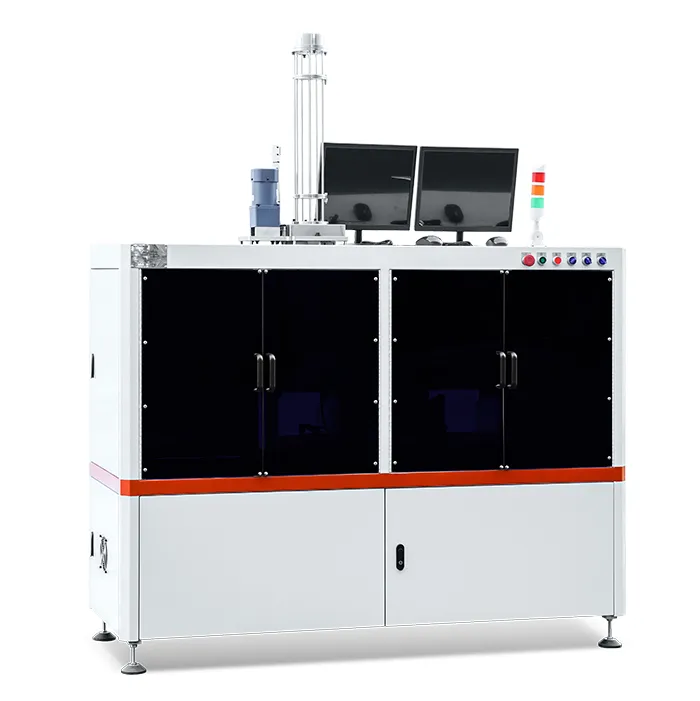
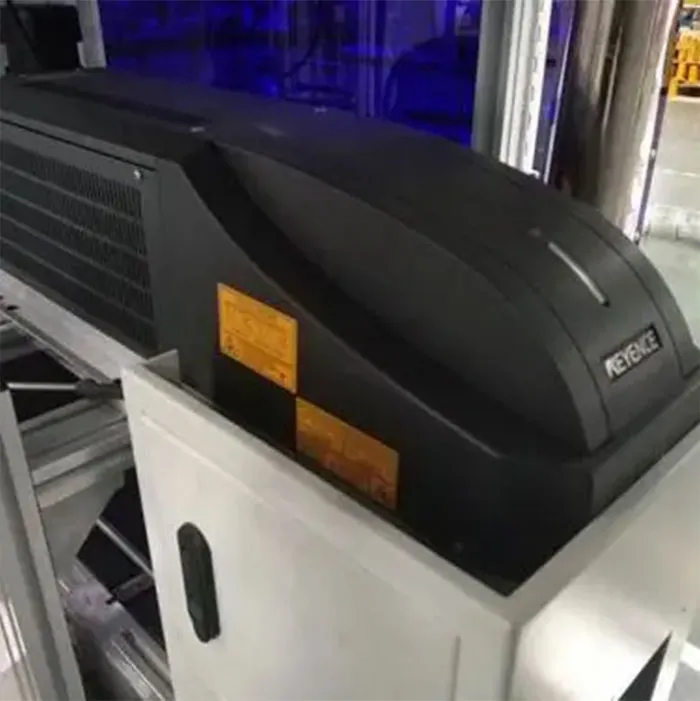
Inspection equipment checks defined defects such as dirt spots, broken rims and bottom problems. Laser marking can add codes or production dates beside the inspection stage.
Review inspection scope →
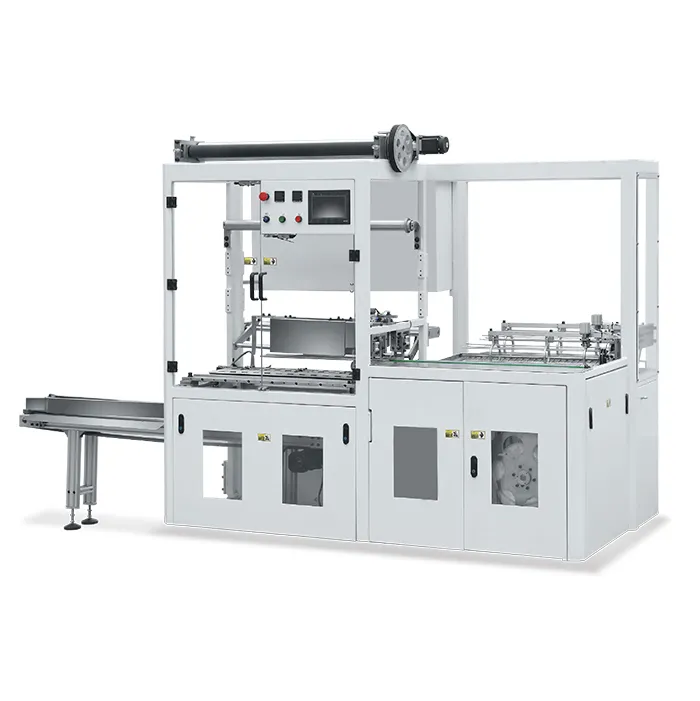
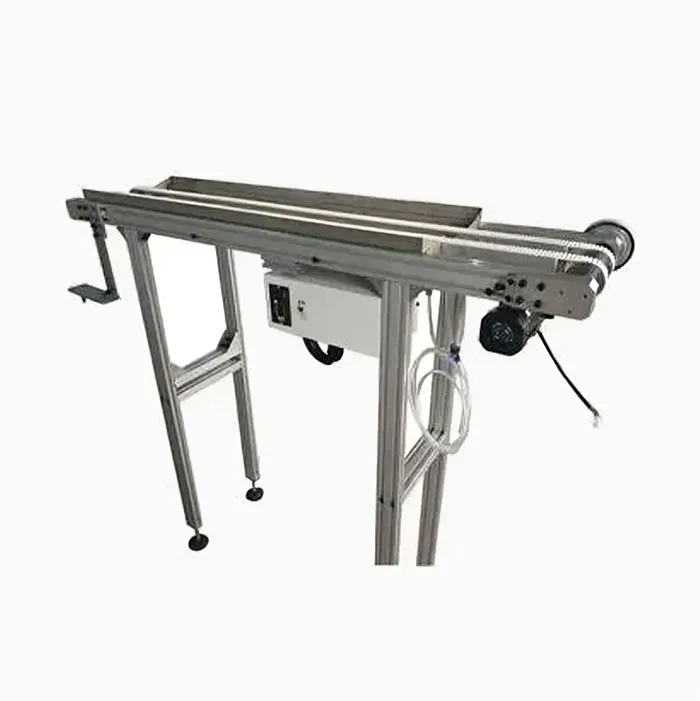
Conveyors move blanks or finished containers between stations. Packing equipment collects and counts stacks, wraps them in film and closes the package for shipment.
Review packing equipment →Scope comparison
Use this table to route a project to the right product family. Final suitability depends on the container drawing, main-machine output, interfaces and destination requirements.
| Equipment family | Line role | Published data | Key confirmation | Details |
|---|---|---|---|---|
| Paper lid machine | Forms drinking lids | ZGJ-IV: top diameter ≤100 mm; 100 pcs/min; 0.6 m³/min air | Lid drawing, hole design, paper and stack handling | View → |
| Medium-speed lid machine | Forms paper lids | ZGJ-III: inner diameter <115 mm; 65 pcs/min; 0.5 m³/min air | Finished lid, speed and changeover requirements | View → |
| Rim flattening | Finishes formed cups | PBK-A: top diameter ≤115 mm; 80–90 pcs/min; 0.3 m³/min air | Square-cup geometry, rim condition and tooling | View → |
| Inspection | Detects defined defects | PJJ-III: 240 pcs/min testing speed; 3.8 kW rated power | Defect library, rejection method, lighting and line speed | View → |
| Packing | Counts and wraps stacks | ZDJ-A: 15 lines/min; diameter 90–150 mm; film 15–40 μm | Stack count, film, bag length and downstream collection | View → |
The values above are from the supplied ancillary equipment source page. Confirm current technical sheets, utility conditions and complete line output before quotation.
Available equipment
Open the product page for the current configuration, then provide the finished sample, upstream machine and downstream requirement for interface review.
For paper cup lids with a published maximum top diameter of 100 mm. Drinking-hole design and final lid dimensions require confirmation.
Top diameter
≤100 mmHeight
≤25 mmAir
0.6 m³/minSpeed
100 pcs/min
For paper lids with a published inner diameter below 115 mm and different drinking-hole designs.
Inner diameter
<115 mmHeight
≤25 mmAir
0.5 m³/minSpeed
65 pcs/min
Optional equipment for pressing formed cups into a square-cup finish within the published dimensional range.
Top diameter
≤115 mmHeight
≤136 mmAir
0.3 m³/minSpeed
80–90 pcs/min
Affiliated equipment for detecting defined cup defects such as dirt spots and broken rims or bottoms. Confirm the defect library and rejection method.
Testing speed
240 pcs/minRated power
3.8 kWPower supply
380 VAir
0.1 m³/min
Collects and counts formed cups, packs stacked cups into film and closes the package. Confirm stack count, film and bag dimensions.
Packing speed
15 lines/minDiameter
90–150 mmBag length
350–700 mmFilm
15–40 μm
Feeds fan-shaped paper blanks to a forming machine or transports finished products to a designated point after packing. Confirm layout and interface dimensions.
Role
Blank feedingUse
Cup bowl linesOutput
Line-dependentModel
Optional device
Optional equipment installed beside inspection equipment to print codes, production dates and other identification information. Confirm product surface and marking content.
Role
Laser markingPlacement
After inspectionContent
Code and dateBrand listed
Keyence
High-volume production of leak-proof, precisely crimped paper cups and lids. Fully automatic, energy-efficient, compatible with multiple sizes to sustain stable output, cut operational expenses and boost ROI for packaging manufacturers.
Top diameter
Up to 110 mmHeight
Up to 25 mmspeed
100 pcs/minAir
0.6 m³/minPublished values support initial equipment routing. Confirm current specifications, material compatibility, line speed, utilities, layout and factory acceptance for the complete project.
Send the main-machine model, finished container sample, target output, inspection standard and packing requirement.
Engineering features
Auxiliary equipment improves a line only when feeding, timing, rejection, collection and packing boundaries are defined together.
Match top diameter, height, rim, bottom, lid geometry, stack condition and material to the machine's working range.
Balance published speed with inspection, rejection, changeover, buffer space and the net output required by the main line.
Confirm voltage, power, compressed air, exhaust, floor space, access and the direction of material flow.
Define signals, sensors, operator responsibilities, defect rules, counting logic and factory-acceptance checks.
Feature availability and implementation can differ by machine model, cup format and project configuration. The quotation and technical agreement should identify the final scope.
Application and process fit
A product name alone does not define compatibility. Confirm what the main forming machine produces, what the next station receives and what the buyer accepts.


Line workflow
The final sequence depends on the selected product and line boundary. Use the workflow to identify missing interfaces before requesting a quotation.
Feed blanks, paper or formed containers from the agreed upstream source.
Make lids, flatten rims or complete the defined container operation.
Detect agreed defects, reject nonconforming pieces and add required codes.
Accumulate, count, wrap and transfer finished stacks for shipment.
Technical confirmation
Complete information reduces interface changes and makes the factory-acceptance scope measurable.
Manufacturing evidence
Use factory, machining, assembly and test evidence to verify the selected auxiliary equipment and its interfaces.
Review how project-specific parts, tooling and line interfaces are prepared, then ask which documents and acceptance records apply to the selected equipment.
Review forming, drive, heating, inspection and packing interfaces for the selected line.
Technology →Ask which no-load operation, material trial and factory-acceptance records are available.
Quality →Use published cases to understand the type of line scope and verification approach available.
Review Cases →Quality and compliance evidence
Request current documents that identify the equipment scope, issuing body, validity and requirements relevant to the destination market.
Check that the document or declaration applies to the exact auxiliary machine and configuration.
Open certificate library →Identify applicable electrical, safety, food-contact or buyer requirements for installation.
Request model documents →Review document numbers, dates, issuing bodies and technical files before approval.
Review certificates →Keep the agreed configuration, drawings, test conditions and supplied documents together.
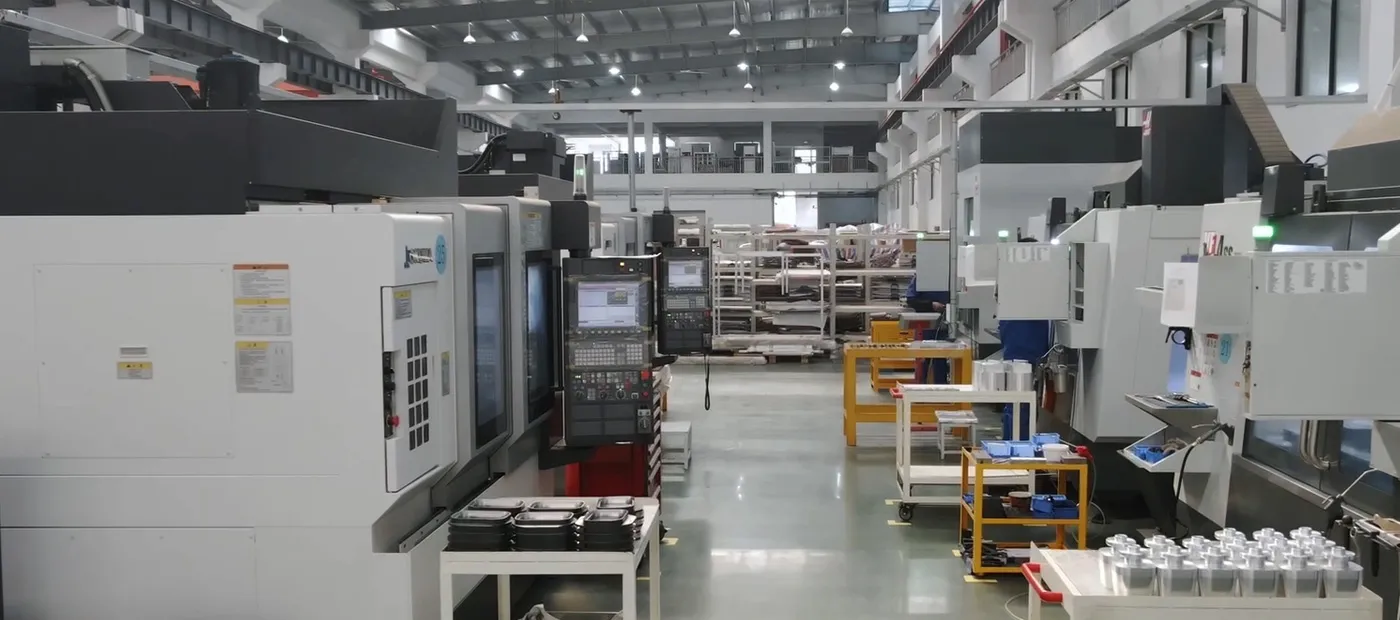
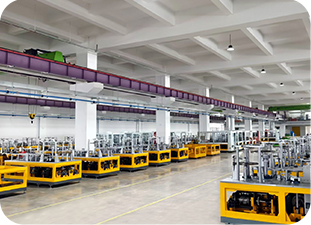
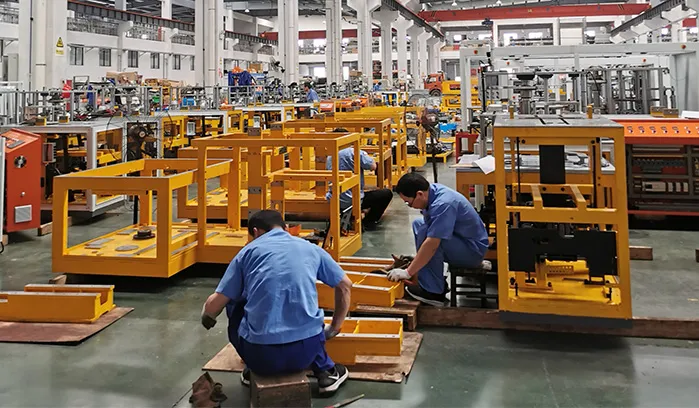
Review project support →A factory photograph is visual context and does not prove that every document covers every model or destination.
Company and equipment footage
The company video provides general factory context. Request current footage or acceptance records for the selected auxiliary equipment, container and operating conditions.
Project support
Support content and delivery method depend on the selected equipment, destination and agreed scope.
Common questions
Yes, all models strictly comply with international standards, ensuring compliance with the production requirements of global markets:
DISCOVERY provides targeted selection suggestions based on your daily cup output and product type, avoiding "over-purchase" or "under-matching":
Before purchasing, you can provide your production scale and product specifications (cup size, material), and our team will send a free customized selection plan within 1 working day.
The installation requirements of the DISCOVERY Paper Cup Making Ancillary Equipments are simple, and no special factory transformation is needed:
DISCOVERY provides comprehensive after-sales support to ensure the stable operation of the Paper Cup Making Ancillary Equipments:
Yes, customization is supported for most products in the DISCOVERY Paper Cup Making Ancillary Equipments range to match your unique production scenarios:
The customization lead time is usually 2-3 weeks, and no extra design fee is charged for standard customization needs.
Yes, all DISCOVERY Paper Cup Making Ancillary Equipments integrate energy-saving and environmental protection features to meet the global "sustainable production" trend:
Absolutely—reducing labor dependence is a key design goal of the DISCOVERY Paper Cup Making Ancillary Equipments, and the specific labor-saving effects are reflected in multiple links:
Taking a medium-sized factory with a daily output of 500,000 cups as an example, the full set of auxiliary equipments can reduce 5-7 labor positions, saving about $3,000-$5,000 in monthly labor costs.
The automatic inspection machine is a core product in the range, focusing on solving the problem of "high manual inspection error rate and low efficiency":
Include the finished container or lid, current forming-machine model, target output, inspection standard, packing format, utilities and available floor space.
Our paper cup machine service is supported by a dedicated team of professionals, from providing pre-sales advice and customizing machines to meet specific production requirements, to providing ongoing post-sales support and guidance.