Paper cup machine manufacturer

Paper Cup Machines for Round, Tall and Rectangular Containers

Compare five DISCOVER forming machines by finished-cup format, published output, paper requirements and factory utilities—then verify the tooling and line configuration for your project.

Category definition

What is a paper cup machine?

01Feed and position the prepared paper blank
02Form the sleeve and seal the side seam
03Insert, heat and knurl the cup bottom
04Curl the rim, discharge and inspect the cup

The station arrangement and heating method vary by model, cup design and paper structure.

A paper cup machine converts prepared, coated paper blanks into finished containers through controlled feeding, forming, sealing and rim-finishing operations. The suitable configuration depends on container geometry, material behavior, required output and downstream handling.

This category includes equipment for conventional round drink cups, taller formats and non-round paper containers. Begin with the finished cup specification before comparing machine speed.

5 machine modelsFor initial category comparison
2–28 ozPublished model-dependent ranges
80–160 pcs/minNominal ranges; confirm operating conditions

Choose by finished container

Three paper cup machine selection paths

Use container geometry to reach the right product group before comparing speed. Tooling, paper and sealing requirements still need model-specific confirmation.

Round paper cups for standard drink cup production
01 / ROUND CUPS

Standard round drink cups

For common hot-drink, cold-drink and food-container formats within the published dimensional range. Compare KSJ-160, ZSJ-III and ZWJ-III-L by size and output requirement.

Compare round-cup models →
Tall and extended paper cup formats
02 / TALL CUPS

Tall or extended cup formats

KSJ-120E lists a maximum top diameter of 110 mm and maximum cup height of 180 mm. Paper compatibility, tooling and stability should be verified against the actual drawing.

Review KSJ-120E →
Rectangular and shaped paper containers
03 / NON-ROUND

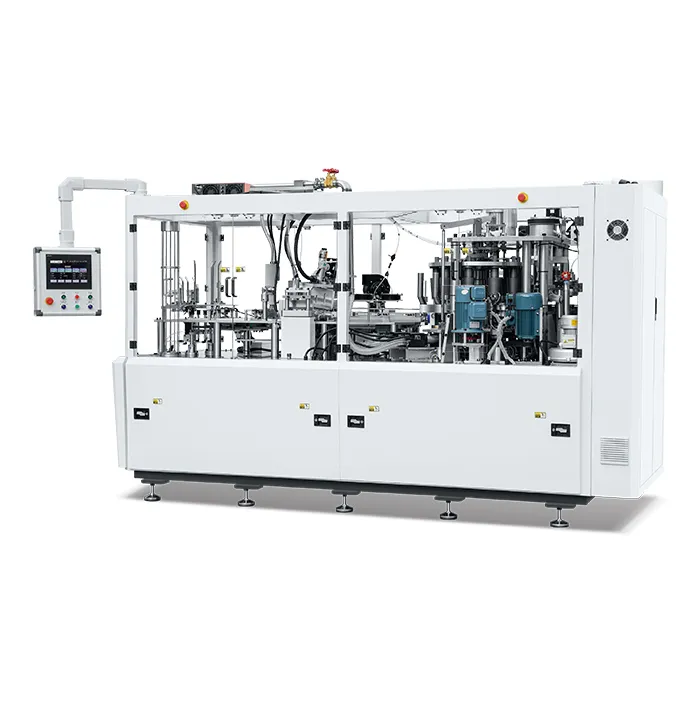
Rectangular and shaped containers

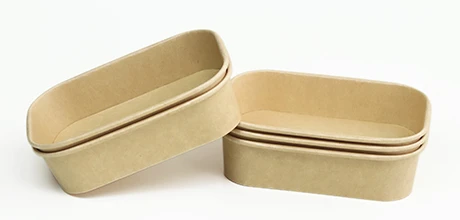
For rectangular, square-bottom or oval-bottom formats, confirm corner formation, tooling, side-seam and bottom-seal requirements from a finished sample or drawing.

Review rectangular model →

Model comparison

Compare five paper cup machine models

Use these published ranges for initial screening. Confirm current specifications, output conditions, tooling and available options on the individual model page before ordering.

Model Primary fit Cup range Published speed Paper/type Air consumption Details
KSJ-160 Round cups requiring the highest published speed in this range 2–16 oz 140–160 pcs/min 210–350 gsm 0.4 m³/min View model →
ZSJ-III Automatic medium-speed round cup production 2–16 oz 90–110 pcs/min 210–350 gsm 0.4 m³/min View model →
ZWJ-III-L 22OZ Larger round cup range 5–24 oz 80–90 pcs/min 210–350 gsm 0.4 m³/min View model →
FBJ-III Rectangular, square-bottom or oval-bottom formats 6–28 oz 80–90 pcs/min Single or double PE 0.4 m³/min View model →
KSJ-120E Tall or larger-format cups within its dimensional limits Top Ø ≤110 mm; height ≤180 mm 110–120 pcs/min Confirm for project 0.7 m³/min View model →

Available models

Review each machine before technical confirmation

Use the cards for initial routing, then open the matching product page for configuration, electrical data, machine dimensions, options and quotation details.

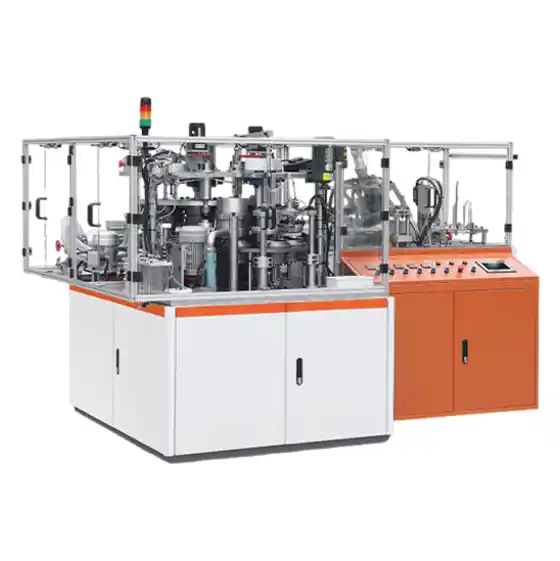
Paper Tea Cup Making Machine 160pcs/min
KSJ-160

Paper Tea Cup Making Machine

For round paper cups within the published 2–16 oz range. Its listed configuration includes open-cam drive, gear transmission, automatic lubrication and Leister bottom heating.

Cup range

2–16 oz

Paper

210–350 gsm

Air

0.4 m³/min

Model

KSJ-160
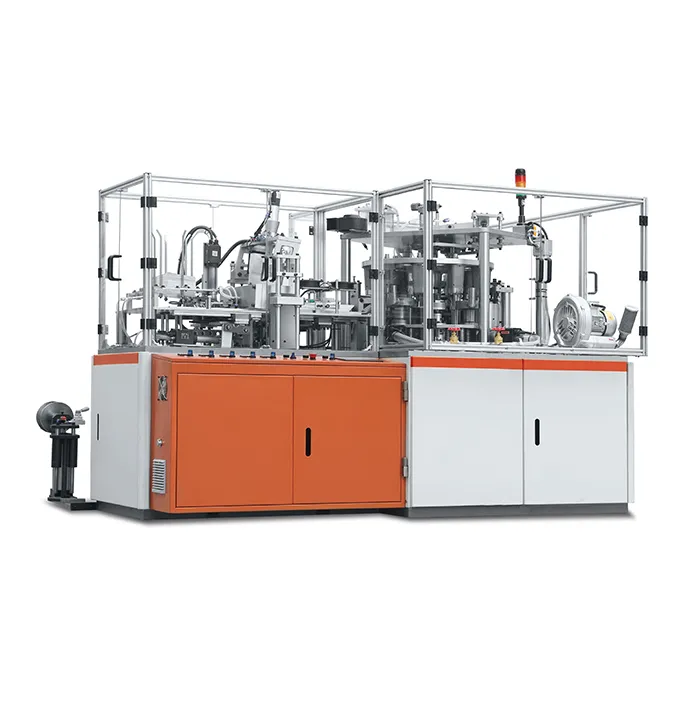
Intelligent Paper Cup Machine 120pcs/min
KSJ-120E

Intelligent Paper Cup Machine

For taller or larger-format cups within the published dimensional limits. Confirm paper compatibility, tooling, utilities and the required downstream arrangement for the project

Top diameter

Up to 110 mm

Cup height

Up to 180 mm

Air

0.7 m³/min

Model

KSJ-120E

Published ranges support initial model screening. Final machine configuration, compatible materials, utilities and output conditions require technical confirmation.

Not sure which model matches your cup?

Send a cup photo or drawing, dimensions, paper structure and target output for a model review.

Engineering features

Confirm the machine architecture—not only the output figure

Drive, heating, lubrication and tooling choices affect material compatibility, maintenance planning and the finished seal. Published features vary by model, so use these points to prepare a focused technical review.

01 / DRIVE ARCHITECTURE

Open-cam and gear transmission

Buyer relevance
Drive architecture influences station synchronization, maintenance access and the parts plan for long-term operation.
Published on
Open-cam drive and gear transmission are listed for KSJ-160 and ZSJ-III.
Confirm
Final drive arrangement, lubrication points, inspection schedule and recommended wear parts.
02 / BOTTOM HEATING

Match heating to paper and cup design

Buyer relevance
Bottom heating must work with the coating, paper weight, bottom geometry and required seal result.
Published on
Leister bottom heating is listed for KSJ-160; bottom heating is listed for ZSJ-III.
Confirm
Heating method, temperature-setting range, compatible material and model-specific acceptance criteria.
03 / LUBRICATION

Plan lubrication with maintenance

Buyer relevance
A defined lubrication system supports repeatable servicing of moving components and clearer maintenance routines.
Published on
Automatic lubrication is listed in the published configurations for KSJ-160 and ZSJ-III.
Confirm
Lubricant specification, service points, inspection frequency and the maintenance instructions supplied with the machine.
04 / TOOLING

Mold material and surface treatment

Buyer relevance
Tooling material, treatment and dimensional control affect cup geometry, wear planning and repeat orders for additional sizes.
Published source
The company quality information documents mold production and machining capability.
Confirm
Tooling material, applicable surface treatment, drawing tolerance, included mold set and change-part scope for the selected cup.

Feature availability and implementation can differ by machine model, cup format and project configuration. The quotation and technical agreement should identify the final scope.

Application and process fit

Match cup geometry, material and workflow

A category decision becomes useful only when the finished cup and production process are clearly defined.

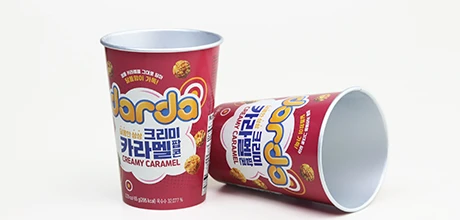
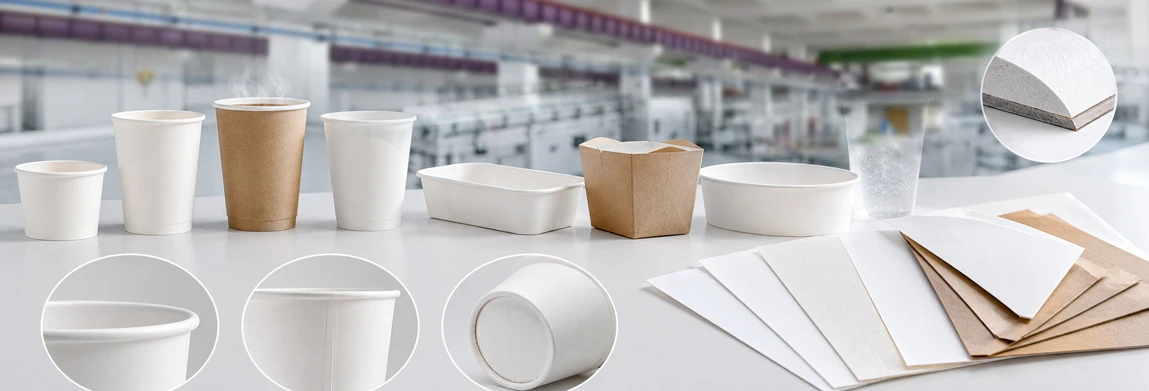
Paper cup formats, coated board and sealing details for material review

Cup and material questions

  • Round, conical, rectangular, square-bottom or oval-bottom format
  • Finished capacity and complete dimensions
  • Paper weight, single/double coating and blank quality
  • Hot drink, cold drink or food-container application
  • Required rim, side-seam and bottom-seal result
Explore paper cup applications →
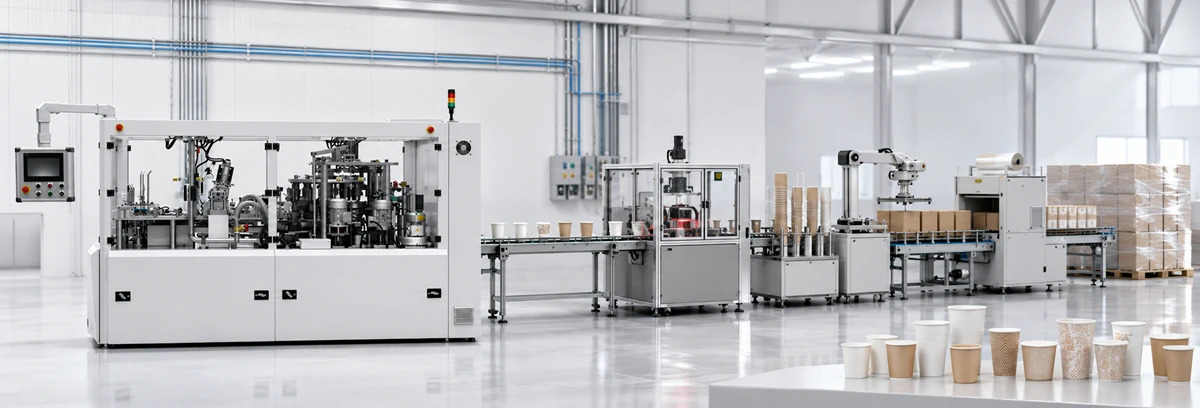
Paper cup forming, inspection, collection and packing production line

Line and operation questions

  • Required production output and product mix
  • Available compressed air, power and floor space
  • Inspection and defective-cup rejection requirements
  • Collection, stacking, handling and packing scope
  • Outer wrapping or other secondary processes
Review ancillary equipment →

Forming workflow

How a paper cup forming machine works

The exact station arrangement varies by model. This sequence provides a practical framework for discussing material behavior, sealing quality and inspection points.

1

Blank feeding and positioning

Prepared fan-shaped blanks are separated, transferred and positioned for controlled side-wall forming.

2

Side sealing and sleeve forming

The blank is wrapped into a sleeve and the side seam is sealed according to the selected paper and coating.

3

Bottom forming and sealing

Bottom paper is inserted, heated and knurled to create the base joint. Settings must match the cup design and material.

4

Rim curling and discharge

The rim is curled, the formed cup is discharged, and optional inspection or collection equipment can support the next process.

Technical confirmation

Prepare a quotation-ready project package

Bring the cup, material and factory information together once so the machine, tooling and supporting line can be reviewed as one system.

Cup and material package

  • Finished sample and dimensioned cup drawing
  • Capacity, top diameter, bottom diameter and height
  • Paper weight, coating, fan blank and bottom-roll data
  • Leak, rim and appearance acceptance requirements

Production and line package

  • Target net output, shifts and planned cup mix
  • Local voltage, frequency and compressed-air capacity
  • Floor space, inspection, counting and packing scope
  • Training, wear-parts and commissioning requirements

Manufacturing evidence

Review the capabilities behind the machine

DISCOVER's company and quality information covers machining, mold manufacture, equipment development, assembly and commissioning.

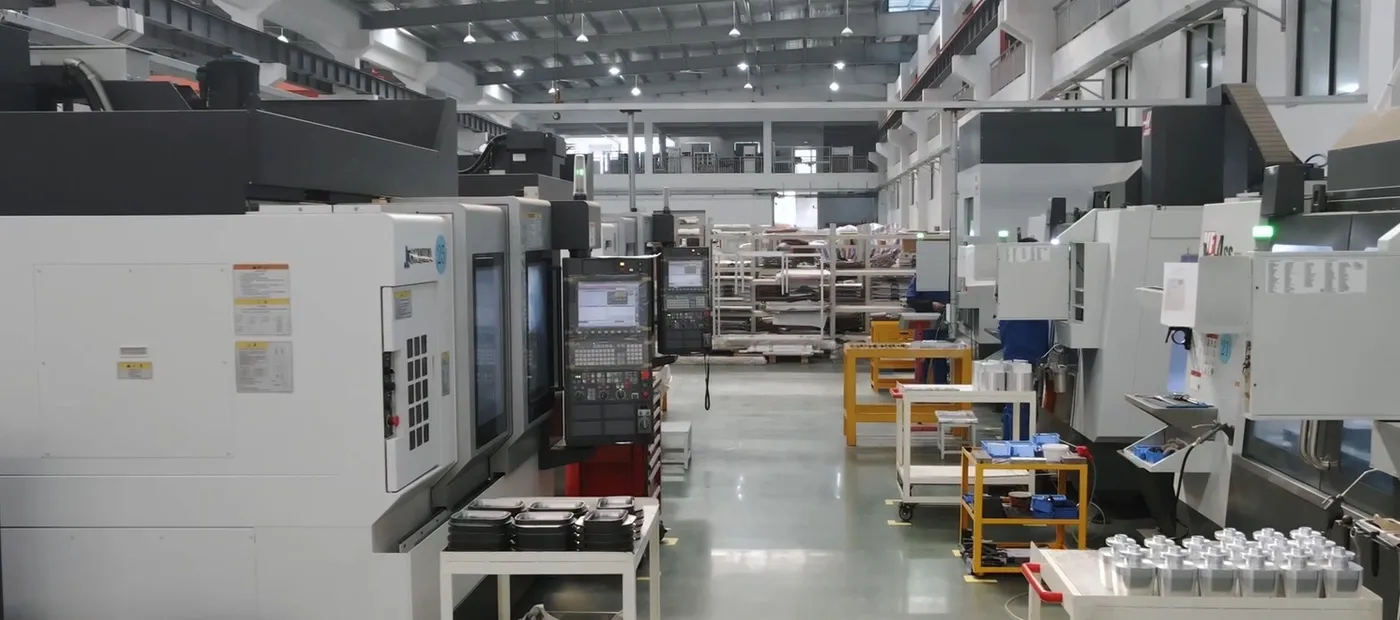
DISCOVER machining centers for paper cup machine components

Machining centers and mold production

The quality page states a 0.01 mm accuracy requirement for conventional molds. Confirm model-specific tolerances and inspection records during technical review.

Equipment development

Published R&D information covers forming, drive, lubrication, heating and paper-positioning systems.

Review technology →
Assembly and commissioning

Manufacturing information documents assembly and commissioning as part of equipment preparation.

Review quality information →
Certificates and project evidence

Use the certificate, video and case pages to review the material published by the company.

Certificates →   Cases →

Quality and compliance evidence

Verify the documents for your selected paper cup machine

Use published company documents for initial review, then confirm the legal holder, scope, validity and model applicability required for the selected configuration and destination market.

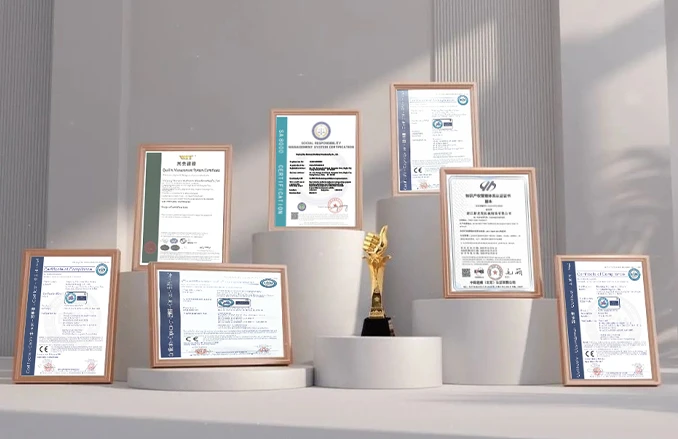
DISCOVER certificate wall displaying framed company certificates
Published company certificate display. Buyers should verify the certificate holder, issuing body, scope and current validity from the individual document.
01 / COMPANY DOCUMENTS

Management-system certificates

The certificate library displays ISO, SA8000 and GB/T-related documents. These support supplier review but do not by themselves define approval for every machine.

Open certificate library →
02 / MACHINE APPLICABILITY

Confirm the selected model

Request the declaration or technical document applicable to the exact paper cup machine, final configuration and destination market included in the quotation.

Request model documents →
03 / FACTORY VERIFICATION

Inspection and operating evidence

Ask for available inspection or test records, a model-specific operation video and the agreed acceptance points for the finished machine.

Review machine videos →
04 / PROJECT FILE

Documents to agree before ordering

Confirm the final configuration, utilities, tooling, packing information, installation and training scope, wear-parts plan and available shipment documents.

Review project support →

Company-level certificates and machine-related documents serve different purposes. Their relevance should be checked against the named model, configuration, destination and contractual requirements.

Machine operation

Review published equipment footage

Video helps buyers inspect the machine layout and visible operating sequence before requesting model-specific documents or arranging a factory visit. Performance values still require written technical confirmation.

Project support

Support from model selection to operation

Final scope depends on the agreed project and contract.

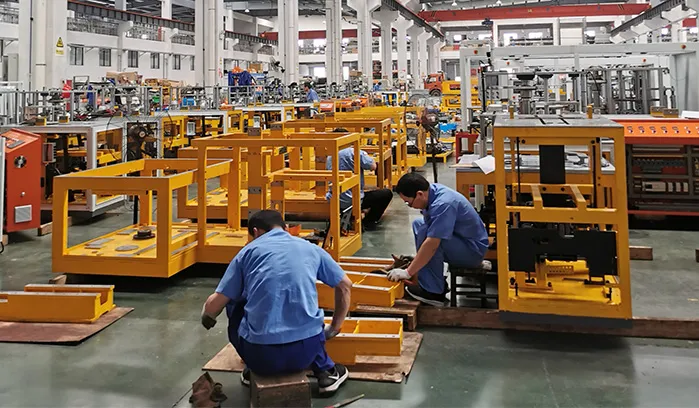
Paper cup machine assembly and commissioning
Assembly and commissioning before delivery
Before purchaseProduct consultation, solution design and factory-visit arrangements.
Delivery and startupDelivery coordination plus installation and commissioning support according to project scope.
Operation supportTechnical training, wear-parts planning and spare-parts support.

Common questions

Paper cup machine selection questions

How should I choose a paper cup machine?

Begin with the finished cup dimensions, paper structure, target output, intended application, available utilities and downstream requirements. Compare the published model ranges, then confirm the final configuration with the manufacturer.

Can one machine produce different cup sizes?

A machine may produce multiple sizes within its specified range by changing the relevant tooling. Confirm the available mold range, required tooling and changeover procedure for the selected model.

What paper information is needed for selection?

Provide the paper weight, coating type and blank specification. Material compatibility and sealing settings must be confirmed for the selected machine and cup design.

What maintenance information should I request?

Ask for the model-specific cleaning, lubrication, inspection, wear-parts and preventive-maintenance schedule. Maintenance requirements vary by configuration and operating conditions.

What support is available after purchase?

DISCOVER's published support process covers installation and commissioning, technical training and spare-parts support. Final scope and warranty terms follow the project agreement.

What quality and compliance documents should I request for a paper cup machine?

Confirm the legal holder, scope and validity of company certificates, then request the declaration or technical documents applicable to the selected model, final configuration and destination market. Also agree the available inspection or test records and project documentation before ordering.

Send your cup sample or drawing for model review

Include cup dimensions, paper structure, target output, destination country, available utilities and any inspection or packing requirements.

GET A QUOTE

0
Service & Support

Our paper cup machine service is supported by a dedicated team of professionals, from providing pre-sales advice and customizing machines to meet specific production requirements, to providing ongoing post-sales support and guidance.

  • Genuine parts ensure long-term availability
  • Seamless installation by technicians
  • Digital back-office management and compatible systems
mb-1.webp
Products and solutions to support a wide range of production needs
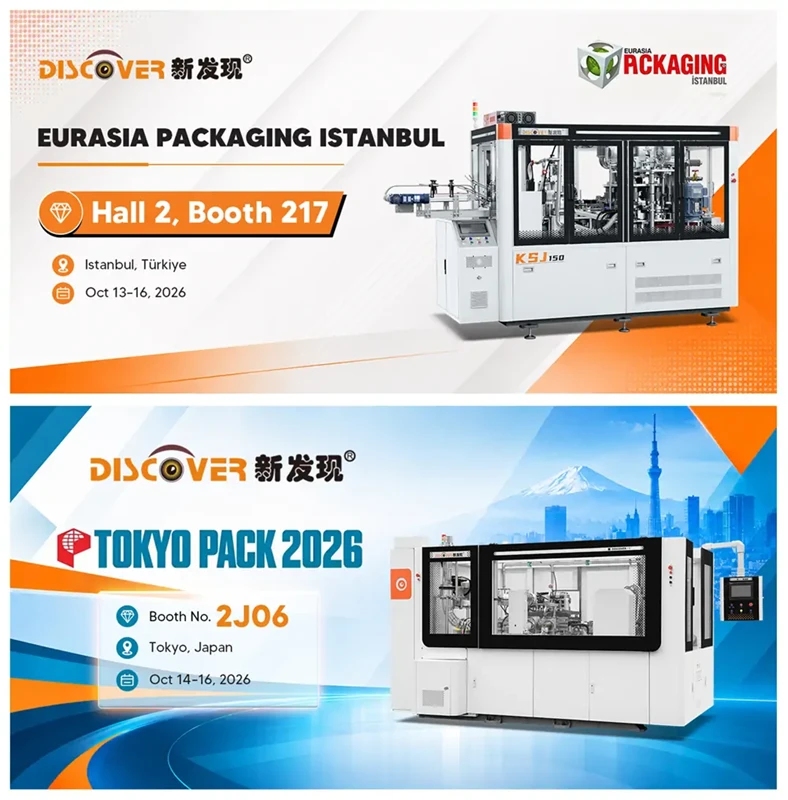
Exhibitions
Exhibitions
We value your privacy
We use cookies to provide you with a better online experience, analyse and measure website usage, and assist in our marketing efforts.
Accept All