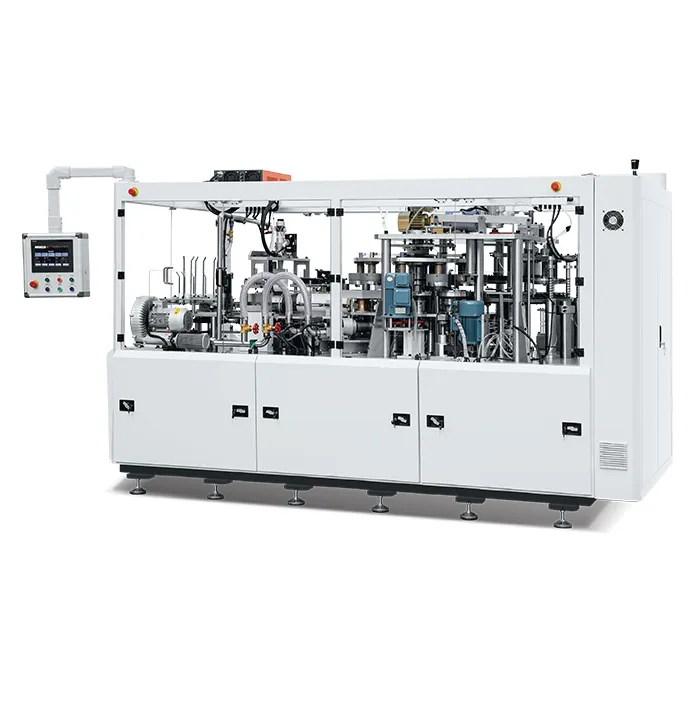
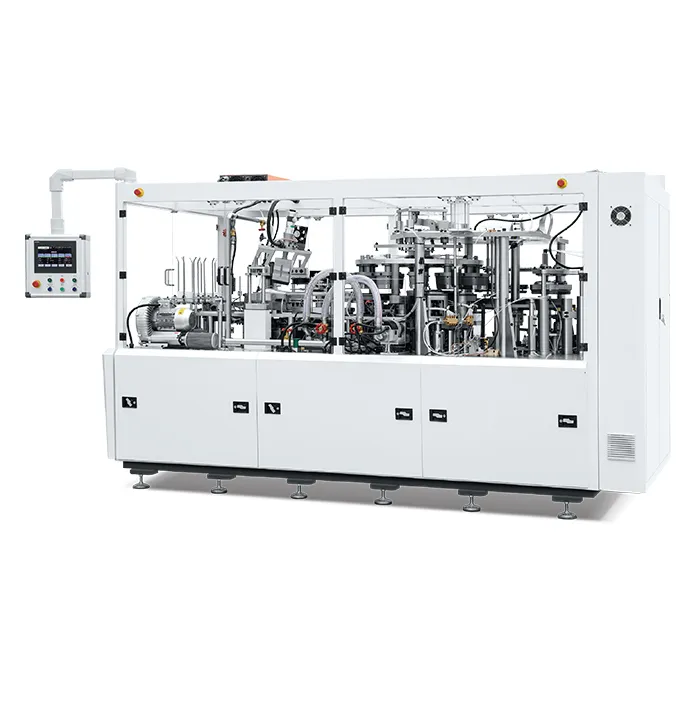
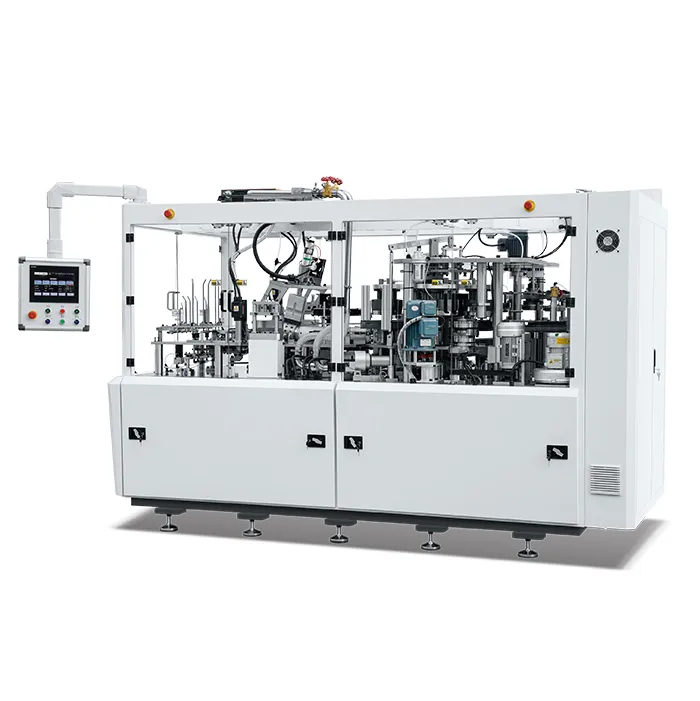
Changeover efficiency determines how much productive time is lost when switching between different cup sizes. Factories that change cup sizes frequently often find that the time and quality impact depends on five main factors: preparation, tooling organization, operator skill, equipment design, and verification procedures. Understanding these factors helps buyers and production managers reduce downtime without investing in unnecessary changes.
Before evaluating changeover performance, it helps to review the available equipment configurations and understand which models support faster size changes. You can check the paper cup machine category for more details.
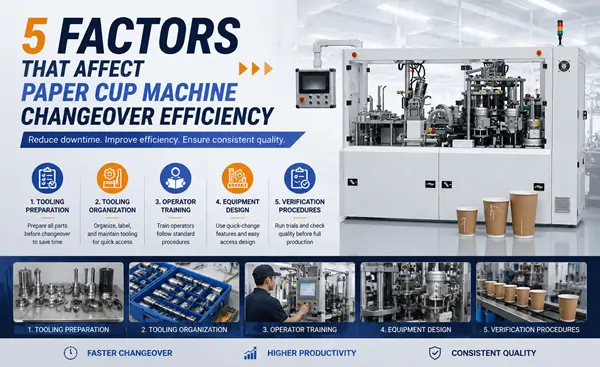
Factor 1: Tooling Preparation
The most common cause of slow changeover is poor preparation. When operators must search for the correct mandrels, bottom punches, and rim curling dies during the change, downtime increases significantly.
Well-organized tooling storage and a clear changeover kit for each cup size can help. Factories that prepare all required parts before stopping production tend to complete size changes more quickly and with fewer errors.
Factor 2: Tooling Organization and Condition
Tooling that is scattered, unlabeled, or worn adds time and quality risk. If the correct mandrel is difficult to identify, or if a bottom punch is damaged, the changeover will take longer and may result in defective first-run cups.
Recommended practices include:
- Labeling each tooling set by cup size
- Storing sets in dedicated trays or cabinets
- Inspecting tooling condition during every changeover
- Replacing worn parts before they cause defects
Factor 3: Operator Training and Experience
Operator skill has a direct impact on changeover speed and consistency. Trained operators follow a standard sequence and know which adjustments affect quality. Untrained operators may rely on trial and error, increasing both downtime and scrap.
A documented training plan that covers tooling identification, adjustment points, and quality checks helps create a repeatable changeover process. Cross-training multiple operators also reduces dependency on a single skilled person.
Factor 4: Equipment Design and Quick-Change Features
Not all cup forming machines are designed for fast changeover. Some models include quick-change features such as tool-less clamping, preset profiles, or easily accessible mounting points. These design choices can reduce the number of manual adjustments required during a size change.
When evaluating equipment, buyers should ask the supplier about:
- Which parts must be changed for each cup size
- Whether quick-change features are available
- How alignment is verified after a change
- Whether adjustment settings can be saved or recalled
Machines with more accessible tooling and clear alignment references generally support faster changeovers, but the actual benefit depends on operator practice and factory workflow.
Factor 5: Verification and Trial Run Procedures
The changeover is not complete until the first trial batch passes inspection. If verification procedures are unclear, operators may either skip checks or spend excessive time troubleshooting after full production has started.
A short, standardized trial run procedure helps catch common issues such as:
- Incorrect bottom seal strength
- Uneven rim curl
- Cup height deviation
- Paper feed misalignment
By identifying these problems in a small trial run, factories avoid producing large quantities of defective cups.
Comparison of Changeover Efficiency Factors
| Factor |
Impact on changeover time |
Improvement approach |
| Tooling preparation |
High |
Prepare all parts before stopping the machine |
| Tooling organization |
High |
Use labeled storage and changeover kits |
| Operator training |
High |
Standardize procedure and cross-train staff |
| Equipment design |
Medium to high |
Look for quick-change features and accessible tooling |
| Verification procedures |
Medium |
Short trial run with clear quality checks |
Changeover Efficiency Checklist
- Are all required tooling parts identified for each cup size?
- Is the tooling storage organized and labeled?
- Do operators follow a written changeover procedure?
- Are operators trained on adjustment points and quality checks?
- Does the machine support quick-change or preset features?
- Are tooling condition and wear checked during every changeover?
- Is a short trial run performed before full production?
- Are changeover times and quality results documented?
- Is there a plan to reduce tooling search time?
- Does the supplier provide clear tooling change guidance?
FAQ
How do I know if my changeover time is too long?
Compare your actual changeover time against the time required when all tooling is prepared and the operator follows a standard procedure. If there is a large gap, the problem is usually preparation or organization rather than equipment speed.
Which factor has the biggest impact on changeover efficiency?
Preparation and tooling organization often have the biggest impact because they cause delays before the actual change begins. Even a well-designed machine cannot compensate for disorganized tooling.
Can operator training alone reduce changeover time?
Training helps, but it is most effective when combined with organized tooling and clear procedures. A skilled operator with poorly organized tooling will still lose time searching for parts.
Is it worth investing in quick-change tooling?
For factories that change cup sizes frequently, quick-change features can provide meaningful time savings. However, the benefit depends on how often changes occur and how well the rest of the changeover process is organized.
Should I document every changeover?
Yes. Recording changeover time, tooling used, and any quality issues helps identify repeated problems and supports continuous improvement.
How can I evaluate changeover performance before buying a machine?
Ask the supplier to explain the changeover procedure, list the parts that must be changed, and describe any quick-change features. If possible, observe a demonstration or speak with existing users.
Conclusion
Changeover efficiency depends on several controllable factors, not just machine speed. By improving preparation, organizing tooling, training operators, and following a standard verification process, factories can reduce downtime and produce consistent quality after every cup size change. For specific equipment questions, review the available configurations or visit the paper cup machine FAQs. If you need further assistance, contact Discover to discuss your production needs.

 English
 Pусский
 عربي
عربي