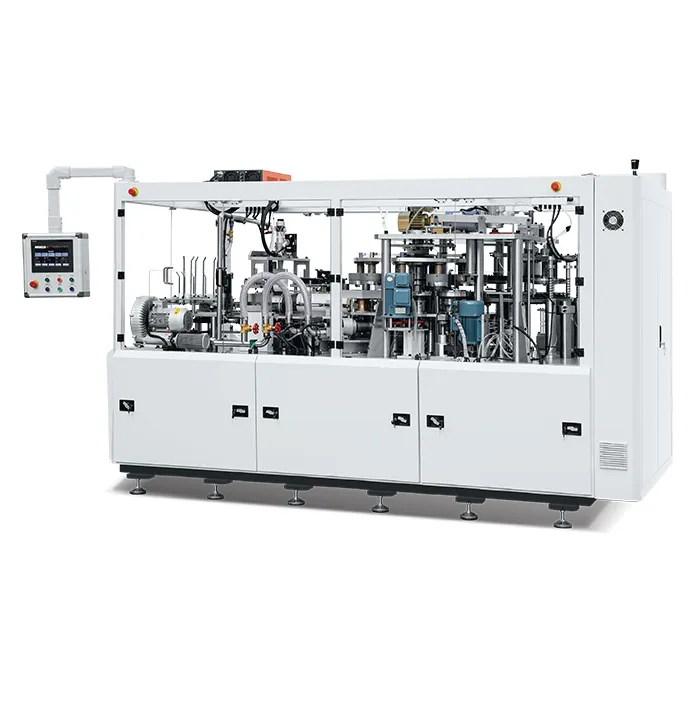
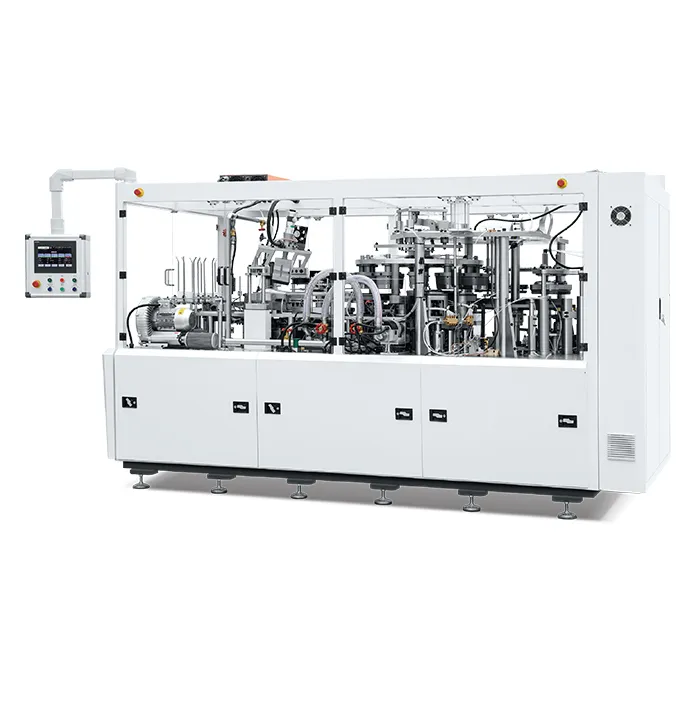
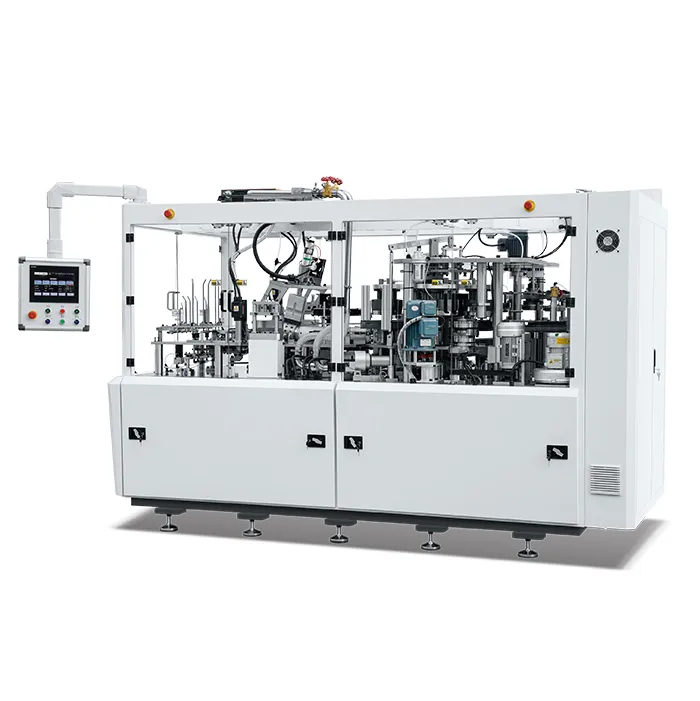
Electricity cost is a recurring expense that affects the profitability of any cup production operation. The key challenge is that the power rating on a machine's nameplate does not represent actual operating consumption. Rated power indicates the maximum capacity if every component ran at full load simultaneously, but in normal production, average power draw is significantly lower. Understanding this difference is the first step toward accurate cost estimation and effective energy management.
Before estimating electricity costs, it helps to understand the equipment configuration and available models. You can review the paper cup machine category to see the range of equipment options.
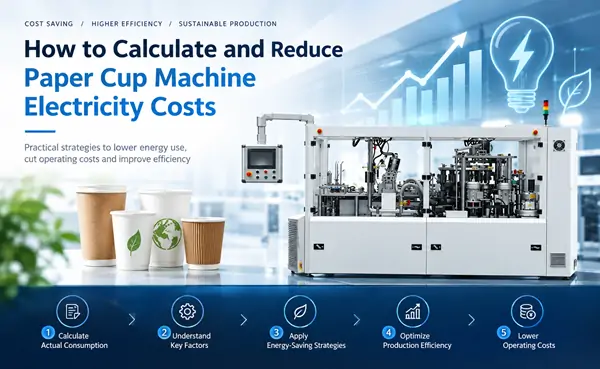
Rated Power vs Actual Consumption
Every paper cup machine ships with a rated power figure, but multiplying that figure by operating hours produces an inaccurate cost estimate. Industry field measurements indicate that a machine rated at 30 kW may draw only 18 to 22 kW on average during stable production of a mid-size cup. Budgeting based on rated power can overestimate electricity cost by 30 to 40%.
Three distinct concepts should be separated:
- Installed (nameplate) power: Used for electrical infrastructure planning — cable sizing, breaker selection, transformer capacity.
- Average operating power: Measured mean load during stable production, used for estimating real energy consumption.
- Energy consumption (kWh): Operating power multiplied by time, or a meter reading, used for calculating actual electricity cost.
Key takeaway: use nameplate power for infrastructure, and measured average power for cost estimation. For questions about how rated power is defined on specific models, review the equipment specification FAQs.
How to Calculate Electricity Consumption
A basic calculation uses the formula: Electricity Consumption (kWh) = Operating Power (kW) × Working Time (hours).
For example, an 8.5 kW medium-speed machine running for 10 hours per day consumes approximately 85 kWh. Over 30 days, that totals about 2,550 kWh. At an electricity price of USD 0.1 per kWh, the monthly cost would be approximately USD 255.
However, this simplified calculation excludes auxiliary equipment. A paper cup production line requires a compressed air system, and the air compressor also consumes electricity. Air compressor power typically ranges from 2 to 5 kW, and this should be added to the total consumption estimate. Detailed parameter sheets with air consumption figures are available in the technical documentation.
For a more accurate per-unit metric, calculate kWh per 1,000 acceptable cups. One field measurement using a system-level approach — including the machine and its typical auxiliary load — reported approximately 3.77 kWh per 1,000 cups under stable production conditions. Actual results will vary by machine model, cup size, paper material, and operating parameters.
Power Consumption by Machine Type
Different machine categories have different power requirements and energy profiles.
| Machine type |
Typical rated power |
Typical running power |
Air consumption |
| Medium-speed |
8–16 kW |
7–9 kW |
0.4 m³/min |
| High-speed |
18–22 kW |
14–15 kW |
0.6 m³/min |
| Full servo |
20–34 kW |
14–18 kW |
0.3–0.6 m³/min |
Note: Full servo machines may have higher rated power but can achieve lower energy consumption per cup through regenerative braking and reduced mechanical friction. For a specific example of a high-output model, review the high-speed paper cup making machine specification page.
Factors That Affect Actual Energy Consumption
Actual electricity consumption varies substantially even between identical models running in different factories. The primary variables include:
- Cup size and wall height: Larger cups require more paper pulling force and longer sealing dwell times, increasing servo load and heater-on duration.
- Paper material and GSM: Heavier paperboard demands higher sealing temperatures and more mechanical force, raising both heater and motor consumption.
- Operating speed: Running below rated speed may lower instantaneous power but produces fewer cups per hour, sometimes increasing energy cost per cup.
- Heating method: Hot air heating and ultrasonic sealing have different energy profiles. Systems that recover waste heat can reduce consumption significantly.
- Auxiliary equipment: Compressed air systems, chillers, and dust collectors add to the total electrical load and should be included in any consumption estimate.
Because these factors differ by application, the same machine model may show different energy costs in different production environments. To compare configurations across the full product range, request consumption data for each model under your specific cup size and material.
Strategies to Reduce Electricity Costs
1. Choose Energy-Efficient Drive Technology
Servo-driven systems can reduce power consumption compared to traditional mechanical drives. Servo motors draw negligible power between cycles and can recover braking energy, with reported energy savings in the range of 15% to 50% depending on the comparison baseline and operating conditions. When evaluating equipment, ask the supplier about the drive system and any energy recovery features.
2. Manage Standby and Idle Time
Paper cup machines consume power even when not producing cups. If production pauses for more than 15 minutes, turning off the machine can reduce unnecessary consumption. Some machines offer intelligent standby modes that automatically reduce power during idle periods.
3. Optimize Compressed Air Usage
Compressed air is one of the most expensive utilities in a production facility. Check for air leaks regularly, and consider whether the compressor is appropriately sized for the actual consumption. Running the compressor at a higher pressure than necessary wastes energy. The air consumption specification for the machine should be confirmed and matched to the compressor output. Suitable compressor and air treatment units are typically listed under ancillary equipment options.
4. Improve Heating System Efficiency
The sealing heaters are a major contributor to overall power consumption. Systems that recover waste heat can reduce electricity use. One reported thermal storage heating system recovered 80% of waste heat, saving approximately 45,000 kWh per year compared to conventional equipment. Regular inspection of heating elements and insulation helps maintain efficiency.
5. Maintain Optimal Operating Parameters
Operating at the ideal speed for the specific cup size and material — rather than always at maximum speed — can balance output and energy use. Regular maintenance, including lubrication and cleaning of heating surfaces, ensures the machine operates at its designed efficiency.
Energy Cost Calculation Checklist
Use this checklist to build a realistic electricity cost estimate.
- Obtain the rated (nameplate) power for infrastructure planning.
- Confirm typical running power with the supplier or through metered measurement.
- Add air compressor power to the total consumption estimate.
- Calculate kWh per 1,000 cups for a comparable per-unit metric.
- Account for auxiliary equipment (chiller, dust collector, conveyor).
- Identify available energy-saving features (servo drive, heat recovery, standby mode).
- Establish a baseline measurement before implementing changes.
- Monitor consumption monthly to track improvement.
FAQ
Why is my electricity bill higher than expected based on the machine's rated power?
Rated power represents maximum capacity, not average consumption. Actual operating power is typically 30% to 40% lower than rated power during stable production. If your bill is higher than expected, check whether auxiliary equipment or standby time is contributing to the total.
How do I measure actual power consumption of my machine?
A clamp meter or power analyzer can measure actual current draw during production. For a more accurate picture, use a kWh meter over a full production shift. This provides real consumption data that can be used for cost calculations.
Does a higher-speed machine always cost more to run?
Not necessarily. A higher-speed machine may have higher rated power but produce more cups per hour, resulting in a lower energy cost per cup. The correct comparison is kWh per 1,000 cups, not total kilowatts.
What is the biggest contributor to electricity consumption in cup production?
The sealing heaters and the main drive motor are typically the largest electrical loads. The air compressor can also be a significant contributor when included in the measurement boundary.
Can I reduce electricity costs without buying a new machine?
Yes. Simple measures such as avoiding idle running, checking for compressed air leaks, maintaining heating elements, and operating at the optimal speed for each cup size can reduce consumption without capital investment.
How much can energy-efficient equipment save over time?
The savings depend on production volume and local electricity prices. Equipment with servo drives and heat recovery features may cost more upfront but can reduce energy consumption per cup. Buyers should calculate the payback based on their specific operating hours and tariff.
Conclusion
Accurate electricity cost estimation requires separating rated power from actual operating consumption. By understanding the factors that affect energy use and implementing practical optimization measures, factories can reduce operating costs and improve overall efficiency. For equipment with energy-saving features, review the available configurations or contact Discover to discuss your production requirements.

 English
 Pусский
 عربي
عربي