Wrinkled sidewalls are one of the most common quality defects in paper bowl production. The defect appears as radial or wavy folds along the sidewall, often concentrated near the rim curl. These wrinkles are not only cosmetic—they create structural weak points where leaks begin, and customer complaints follow. The challenge is that the same visual symptom can originate from four different physical causes, and adjusting one parameter without identifying the root cause often just shifts the wrinkle pattern rather than eliminating it. This article presents the four most common causes in the order an experienced technician would check them.
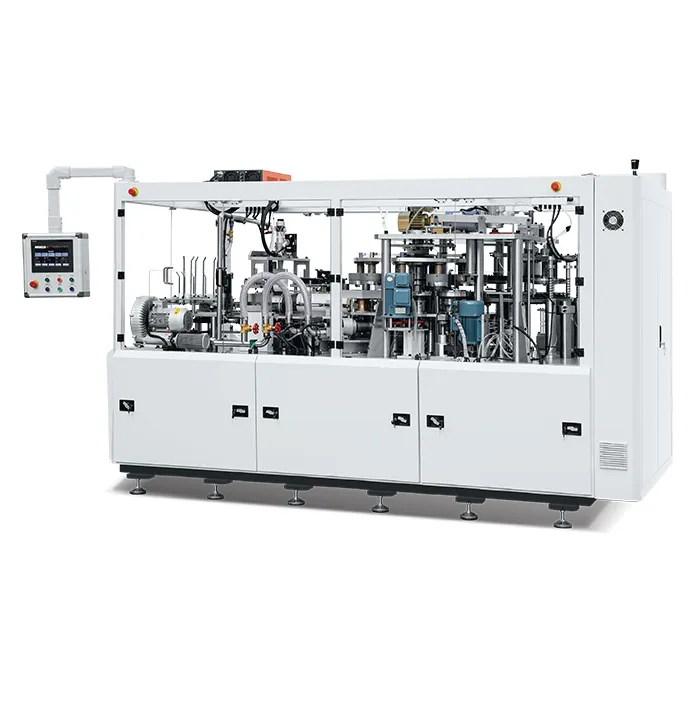
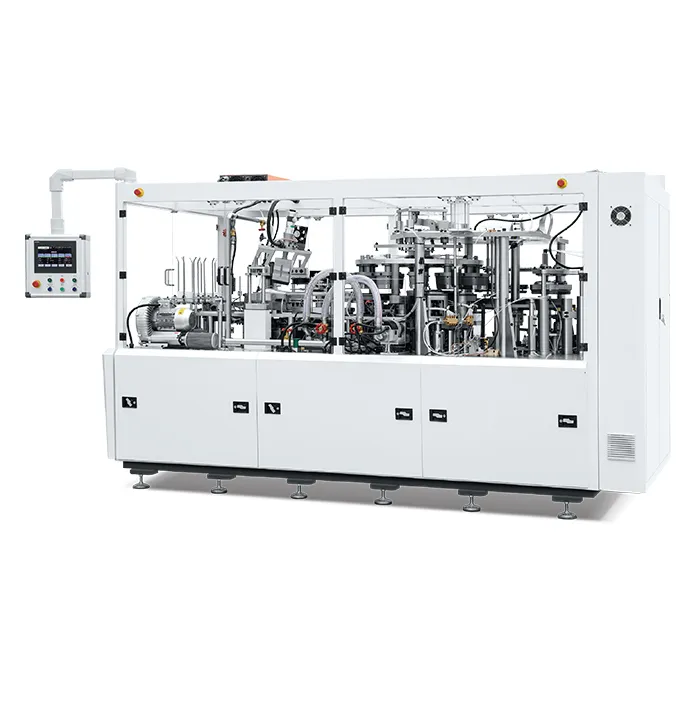
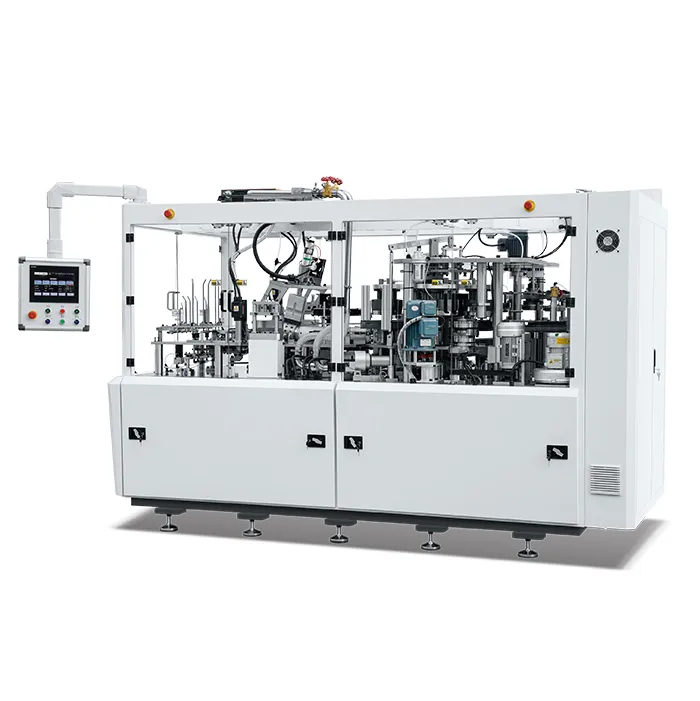
Before troubleshooting specific defects, it helps to understand the equipment configuration and available forming parameters. You can review the paper bowl machine category for general equipment reference.

Cause 1: Die Gap Mismatch
The forming die is where the paper takes its final shape. It consists of a male punch and a female cavity. Between them there is a gap—the die clearance—where the paper flows as it is pressed into shape. If this clearance is incorrect, wrinkles appear.
How the Gap Affects Material Flow
If the gap is too large—for example, more than 0.25mm for standard paperboard—the paper has too much freedom during forming. The material shifts sideways as it is pressed, buckling into loose waves and ripples instead of flowing smoothly up the sidewall. These wrinkles typically look puffy or bulging and are distributed around the entire circumference.
If the gap is too small—below 0.08mm—the opposite happens. The paper is forced through a gap tighter than its thickness can accommodate. The material crowds and folds over itself, creating sharp, concentrated wrinkles. In extreme cases, the paper tears at the rim or at the base of the sidewall.
Optimal Clearance Range
For paperboard in the 300–400 gsm range—the most common weight for disposable food bowls—the optimal die gap typically falls between 0.10mm and 0.20mm. Within this window, the material flows smoothly without excessive friction or freedom.
Measuring and Adjusting the Gap
A set of feeler gauges is needed to measure the die gap. Insert the gauge between the punch and cavity at several points around the die circumference. Measure at least four positions: 12 o'clock, 3 o'clock, 6 o'clock, and 9 o'clock. Record each reading. The difference between the highest and lowest readings—the runout—should not exceed 0.05mm. If a larger variation is observed, the die is not concentric, meaning the punch is shifted to one side, creating a tight gap on one side and a loose gap on the opposite side. The result is wrinkles that are worse on one side of the bowl than the other.
Cause 2: Paper Moisture Extremes
Paper moisture content affects how the material deforms during forming. For paper bowl production, the recommended range is typically 6% to 8% moisture content. When moisture falls outside this range, wrinkles become more likely.
Paper That Is Too Dry
Dry paper—below 6% moisture—becomes stiff and brittle. During forming, it resists the smooth flow needed to conform to the mold. Instead of stretching evenly, the material cracks or folds, producing sharp wrinkles or rim splitting. In severe cases, split rim rolls appear, which are most often caused by low moisture content in the cupstock.
Paper That Is Too Wet
Paper with excessive moisture—above 8%—behaves differently. The material becomes soft and may deform unevenly under forming pressure. The coating on the paper may also be affected, leading to sealing issues. Wet paper can create puffy, uneven wrinkles that shift pattern between batches.
Measuring Paper Moisture
A handheld moisture meter can be used to check paper moisture content before loading. Measure at several points across the roll width to verify consistency. If moisture is outside the recommended range, the paper can be conditioned in a controlled storage environment before use, or the supplier can be consulted about adjusting the specification.
Cause 3: Insufficient Vacuum Pressure
The vacuum system holds the paper against the forming mold during the initial stages of shaping. If vacuum pressure is insufficient, the paper does not stay in proper contact with the mold surface, leading to wrinkles.
How Vacuum Affects Forming
During forming, the paper is drawn against the mold by vacuum. If the vacuum is weak, the paper may lift away from the mold in some areas, creating folds as the material collapses inward rather than flowing smoothly. The wrinkles tend to be irregular and may appear more prominent in areas where the paper thickness or coating varies.
Checking Vacuum Pressure
Vacuum pressure should be verified against the machine specification. A vacuum gauge can be used to measure pressure at the forming station. Common issues include clogged vacuum lines, worn seals on the vacuum chamber, or a vacuum pump that is not producing adequate suction. These should be inspected and corrected before adjusting other parameters.
Cause 4: Uneven Feed Tension
The paper web must be fed into the forming station at consistent tension across its full width. If tension varies from one side to the other, the paper enters the mold unevenly and wrinkles form.
How Uneven Tension Causes Wrinkles
When one side of the paper web is under higher tension than the other, that side enters the forming die at a slightly different angle. The material on the looser side has more freedom to buckle, producing wrinkles that are more severe on one side of the bowl. The pattern can shift as tension changes during the production run.
Checking Feed Tension
With the machine stopped, the paper web should be pulled by hand at the unwind stand to check for uniform resistance across the full width. If the web pulls too easily on one side, the brake tension or tension control system may need adjustment. Guide rollers should also be inspected for alignment and wear. A tension range of 35–40 N per millimeter has been suggested in industry guidance for paper bowl forming, but the optimal value depends on the specific machine and paper type.
Diagnostic Summary Table
| Cause |
Wrinkle pattern |
First check |
Key parameter |
| Die gap too large |
Puffy, loose waves around circumference |
Feeler gauge at 4 positions |
Clearance 0.10–0.20mm |
| Die gap too small |
Sharp, concentrated folds; possible tearing |
Feeler gauge at 4 positions |
Runout ≤0.05mm |
| Paper too dry |
Sharp wrinkles, rim cracking |
Moisture meter |
6%–8% moisture |
| Paper too wet |
Puffy, shifting wrinkles |
Moisture meter |
6%–8% moisture |
| Insufficient vacuum |
Irregular wrinkles, paper lifts from mold |
Vacuum gauge |
Per machine specification |
| Uneven feed tension |
One-sided wrinkle pattern |
Hand-pull test at unwind |
35–40 N/mm (reference) |
Diagnostic Checklist for Wrinkled Sidewalls
- Measure die gap at four positions with feeler gauges; verify runout ≤0.05mm.
- Check paper moisture content with a handheld meter; confirm 6%–8%.
- Verify vacuum pressure at the forming station against the machine manual.
- Pull paper web by hand at the unwind stand; check for uniform resistance.
- Inspect guide rollers for alignment and wear.
- Review temperature and pressure settings against the material specification.
- Run a test batch after each adjustment and inspect wrinkle pattern.
- Document which cause was identified and the corrective action taken.
When to Seek Technical Support
If wrinkles persist after checking all four causes, the issue may involve worn tooling, mechanical misalignment, or material properties that require professional assessment. Review the paper bowl machine FAQs for additional guidance or contact Discover for technical support.
FAQ
What is the most common cause of wrinkled sidewalls in paper bowls?
Die gap mismatch is the most common cause. If the gap between the male punch and female cavity is too large or too small, the paper cannot flow smoothly during forming. The optimal clearance for 300–400 gsm paperboard typically falls between 0.10mm and 0.20mm.
How do I measure the die gap on a paper bowl machine?
Use a set of feeler gauges. Insert the gauge between the punch and cavity at four positions around the circumference. The difference between the highest and lowest readings should not exceed 0.05mm.
Can paper moisture cause wrinkles in paper bowls?
Yes. Paper that is too dry becomes brittle and prone to cracking or sharp wrinkles. Paper with excessive moisture deforms unevenly. The recommended moisture content range for paper bowl production is typically 6% to 8%.
How do I check if vacuum pressure is causing wrinkles?
Use a vacuum gauge to measure pressure at the forming station and compare against the machine specification. Check for clogged vacuum lines and worn seals. If vacuum is weak, the paper may lift away from the mold during forming, creating irregular wrinkles.
What is the correct feed tension for paper bowl production?
The optimal tension depends on the machine and paper type. Industry guidance suggests a range of 35–40 N per millimeter as a reference. Verify by pulling the paper web by hand at the unwind stand—resistance should feel uniform across the full width.
Can wrinkles be fixed without stopping production?
Temporary adjustments may reduce wrinkles, but identifying the root cause requires systematic diagnosis. Running production with wrinkled bowls creates scrap and may mask the underlying issue. It is better to stop, diagnose, and correct the cause before resuming full production.
Conclusion
Wrinkled sidewalls in paper bowl production have four primary physical causes: die gap mismatch, paper moisture extremes, insufficient vacuum pressure, and uneven feed tension. By checking these causes in order and using the diagnostic table and checklist provided, operators can identify the root cause more efficiently and reduce scrap. For specific equipment questions, review the available configurations or contact Discover to discuss your production challenges.

 English
 Pусский
 عربي
عربي