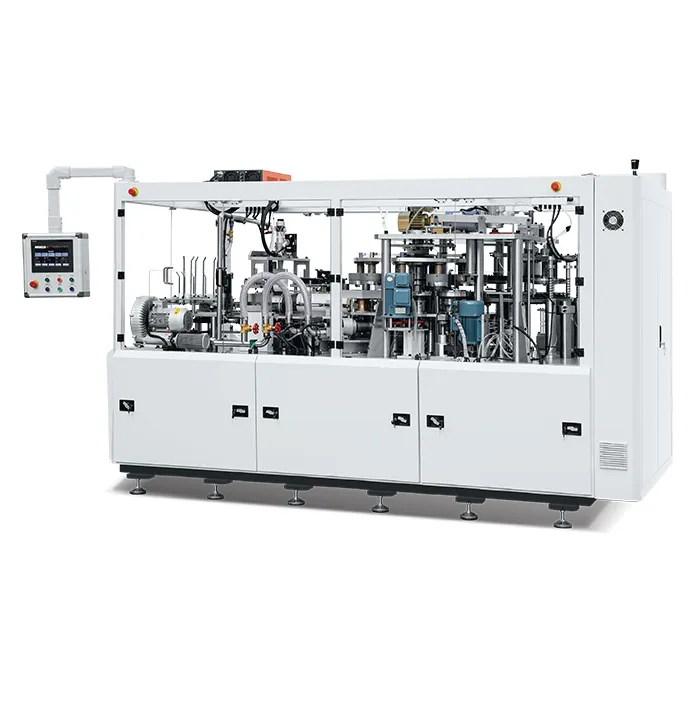
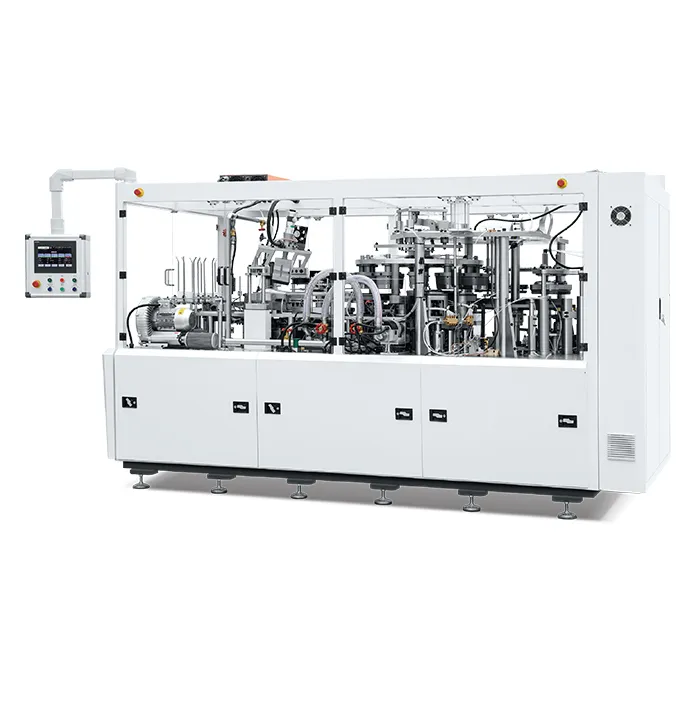
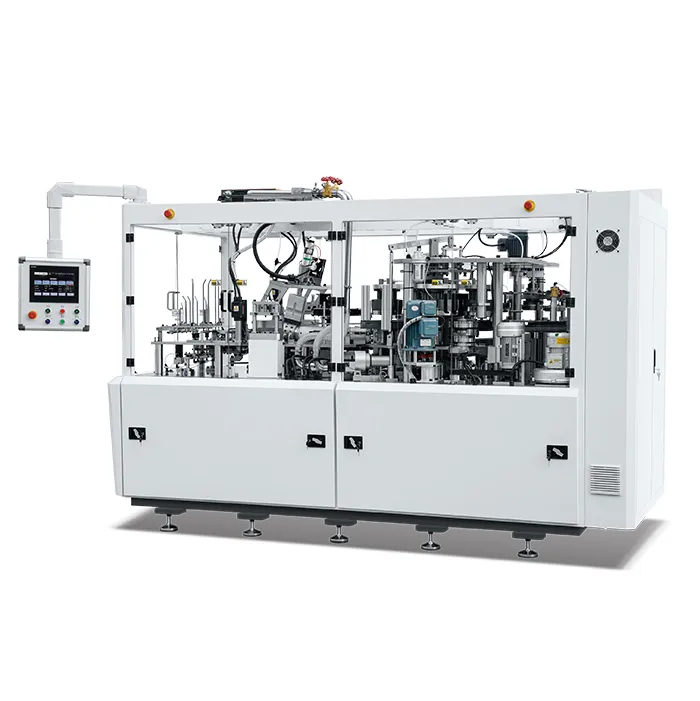
Your high-speed forming line has been running smoothly for weeks. Then, out of nowhere, an operator shouts, “It’s seizing up again.” You walk over, smell burnt grease, and see the maintenance log—already the third unscheduled stop this month.
If this scenario feels familiar, you are not alone. Lubrication issues remain one of the top three reasons for unplanned downtime in packaging lines. While most troubleshooting guides focus on the obvious—low oil levels or clogged lines—the real culprits are often hidden in plain sight.
Why Standard Lubrication Routines Often Fail
Most plant managers follow the OEM’s basic lubrication schedule religiously. Yet, failures keep happening. Why? Because the application environment changes faster than a static calendar.
In a typical cup-forming environment, three factors silently destroy your lubricant’s effectiveness:
-
Heat Cycling – Repeated expansion and contraction of metal components creates microscopic gaps that pull in contaminants.
-
Particulate Load – Paper dust and board fibers act like sandpaper when mixed with grease.
-
Inconsistent Application – Manual greasing often misses critical zones or over-lubricates others, leading to heat buildup rather than cooling.
According to a 2023 maintenance audit report from a mid-sized packaging plant (source: Plant Services Magazine), over 54% of bearing failures in forming sections were traced back to lubricant contamination, not mechanical wear. This is an industry-wide blind spot.
The Hidden Cost of "Just Adding More Grease"
When a bearing runs hot, the instinct is to pump in more grease. But this often backfires. Excessive grease churns, generates additional heat, and eventually oxidizes into a hard, lacquer-like deposit.
Here is a common industry paradox:
| If you see... |
Most operators do... |
The actual result... |
| Slight heat rise |
Add 2 extra grease pumps |
Churning friction → temperature spikes +15°F |
| Metallic noise |
Increase lubrication frequency |
Masked symptom while wearing accelerates |
| Leaking seals |
Replace the seal only |
The new seal fails within weeks due to back-pressure |
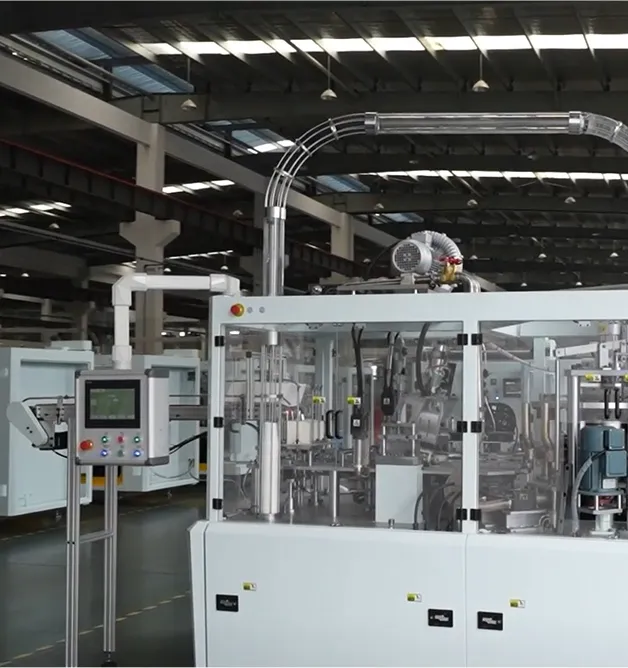
To truly fix the problem, you need to move from “time-based” to “condition-based” lubrication. This means checking three things before your next scheduled stop: actual operating temperature (use an IR gun), grease consistency (squeeze test), and purging behavior (old grease should escape freely).
For a deeper look into how modern systems automate this process, click here to view specific lubrication configurations.
A Step-by-Step Diagnostic Approach
Instead of guessing, apply this 20-minute drill the next time your line shows early signs of lubrication stress.
- The Wipe Test: Stop the machine safely. Wipe a small amount of used grease from a high-friction zone (cam driver or forming mandrel). Healthy grease feels oily and smooth. If it feels gritty (paper dust) or has black specks (metal), you have contamination, not a lubrication frequency problem.
- The Temperature Mapping: Run the line at full speed for 10 minutes. Use an infrared thermometer to measure bearing housings at four different points. A variance of more than 15°F between similar components indicates uneven lubrication distribution or a misalignment issue.
- The Purge Interval Audit: Most centralized systems purge old grease every 4-6 hours. But in dusty environments, you need to purge every 90 minutes. Check your PLC timer. If you find old, hardened grease around seals, shorten your purge interval by 50% as a test.
Common Misconception: “Synthetic grease is always better.” Not true. In high-speed, low-load applications (typical for forming sections), an NLGI Grade 1 or 0 grease with lower base oil viscosity often works better than a heavy Grade 2. Always match the grease’s dropping point to your actual operating peak temperature, not the theoretical maximum.
When Mechanical Issues Masquerade as Lubrication Problems
Here is where many maintenance teams get trapped. They spend weeks tweaking grease types and intervals, only to discover the root cause was mechanical.
For example, a bent drive shaft creates a wobble that squeezes lubricant out of a bearing in seconds. Similarly, mis-mounted cams create point-loading that exceeds the film strength of any lubricant.
Before blaming your lubrication protocol, perform a simple run-out test with a dial indicator. If TIR (Total Indicator Reading) exceeds 0.002 inches on a high-speed shaft, no lubricant on earth will save that bearing.
If you are currently evaluating machine specifications and want to understand how modern designs reduce these failure points, check out the engineering approach used here.
Building a More Reliable Future
The best fix for lubrication issues is not a different grease or a new pump. It is a design that minimizes the need for heroic maintenance efforts. In recent years, several equipment manufacturers have shifted towards modular lubrication routing and sealed-for-life components in low-to-medium wear zones.
According to feedback from a large European packaging converter (anonymous per request), after switching to a system with integrated lubrication distribution blocks and centralized auto-lube readiness, their bearing replacement frequency dropped by 72% over 18 months. The key was not better grease, but better access and more precise volume control.
Putting It All Together: Your 30-Day Action Plan
-
Week 1: Audit three high-failure zones using the wipe test and temperature mapping.
-
Week 2: Adjust purge intervals based on contamination levels, not the OEM manual.
-
Week 3: Train operators on the difference between “low lubricant” and “contaminated lubricant.”
-
Week 4: Review mechanical alignment in your top two problem stations.
Lubrication is not a chore—it is data. Every bit of burnt grease or hot bearing is telling you a story about alignment, contamination, or incorrect specification. The question is: are you listening?
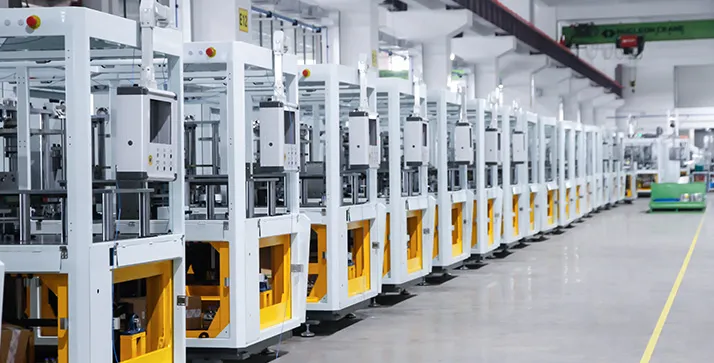
If you are tired of fighting the same maintenance battles and want to explore equipment designed with real-world lubrication challenges in mind, see how DISCOVER approaches this problem. Sometimes, the most reliable machine is the one that asks less of your maintenance team.

 English
 Pусский
 عربي
عربي